




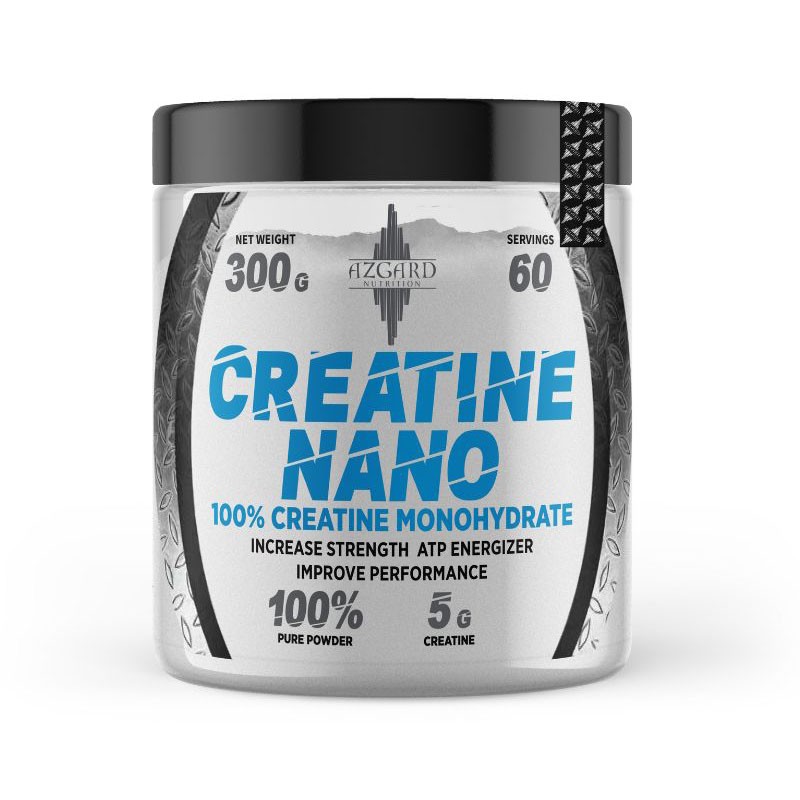
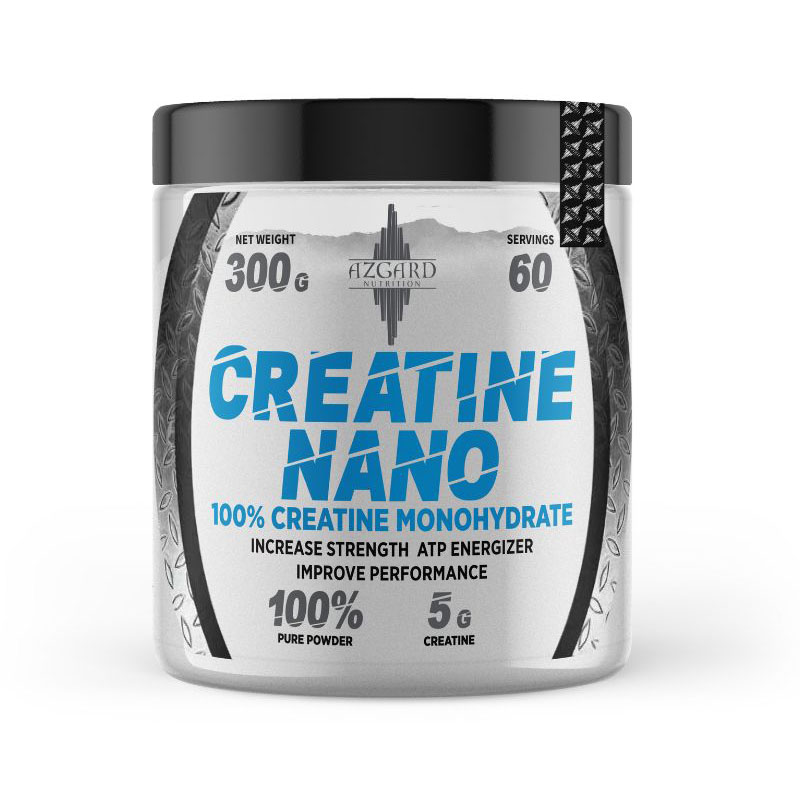
Azgard Creatine NANO
Inhouse product
-

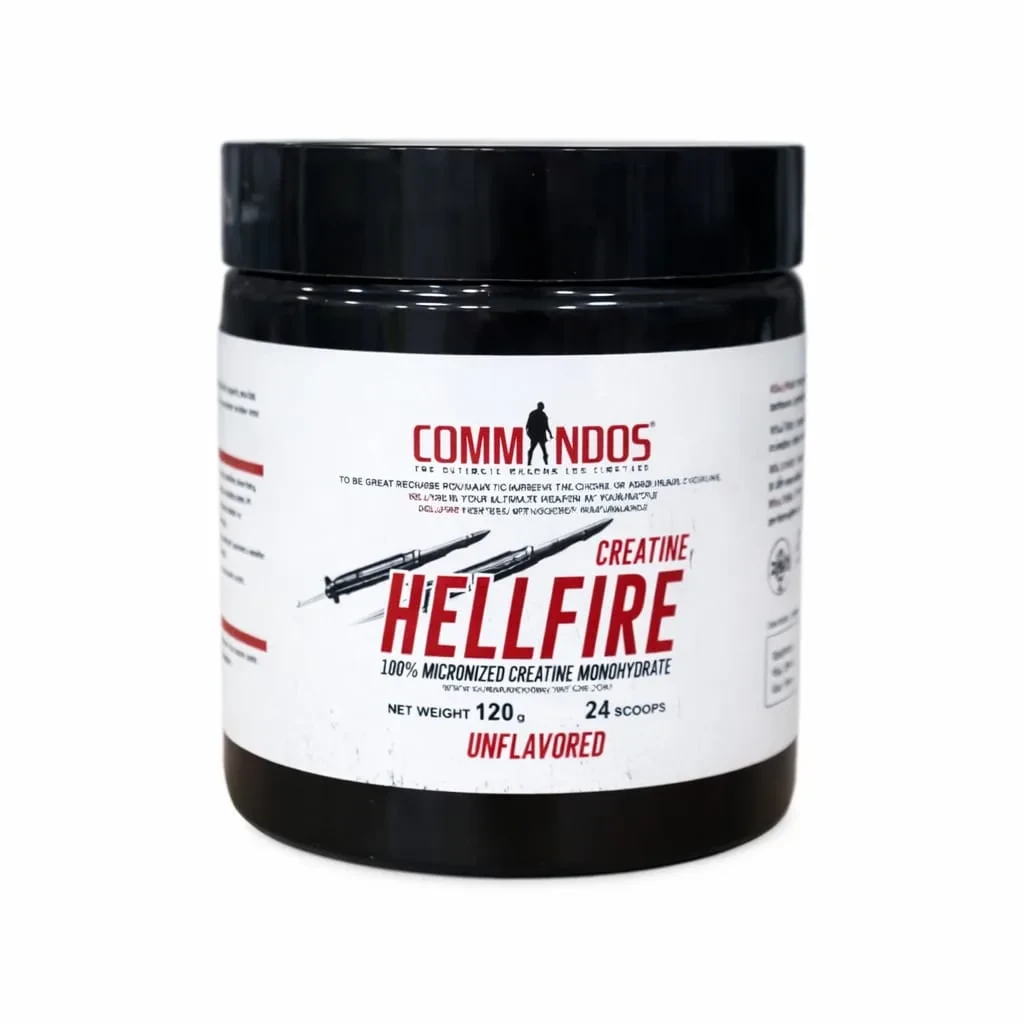
Hellfire Creatine
EGP200.00 -
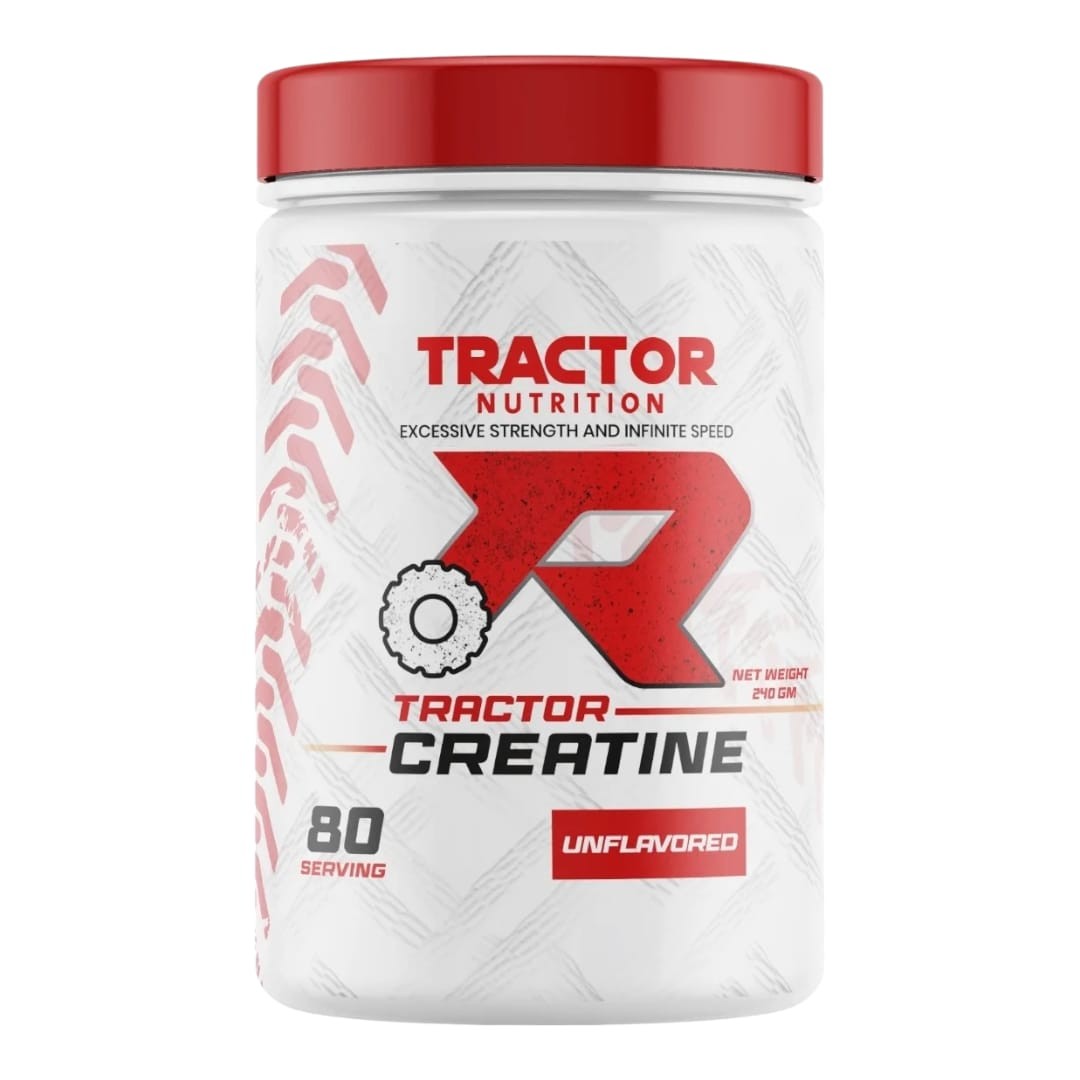
Tractor Creatine 80 Servings 240 g
EGP550.00 -
Creatine Monohydrate 300 g (60 servings)
EGP1,000.00 -
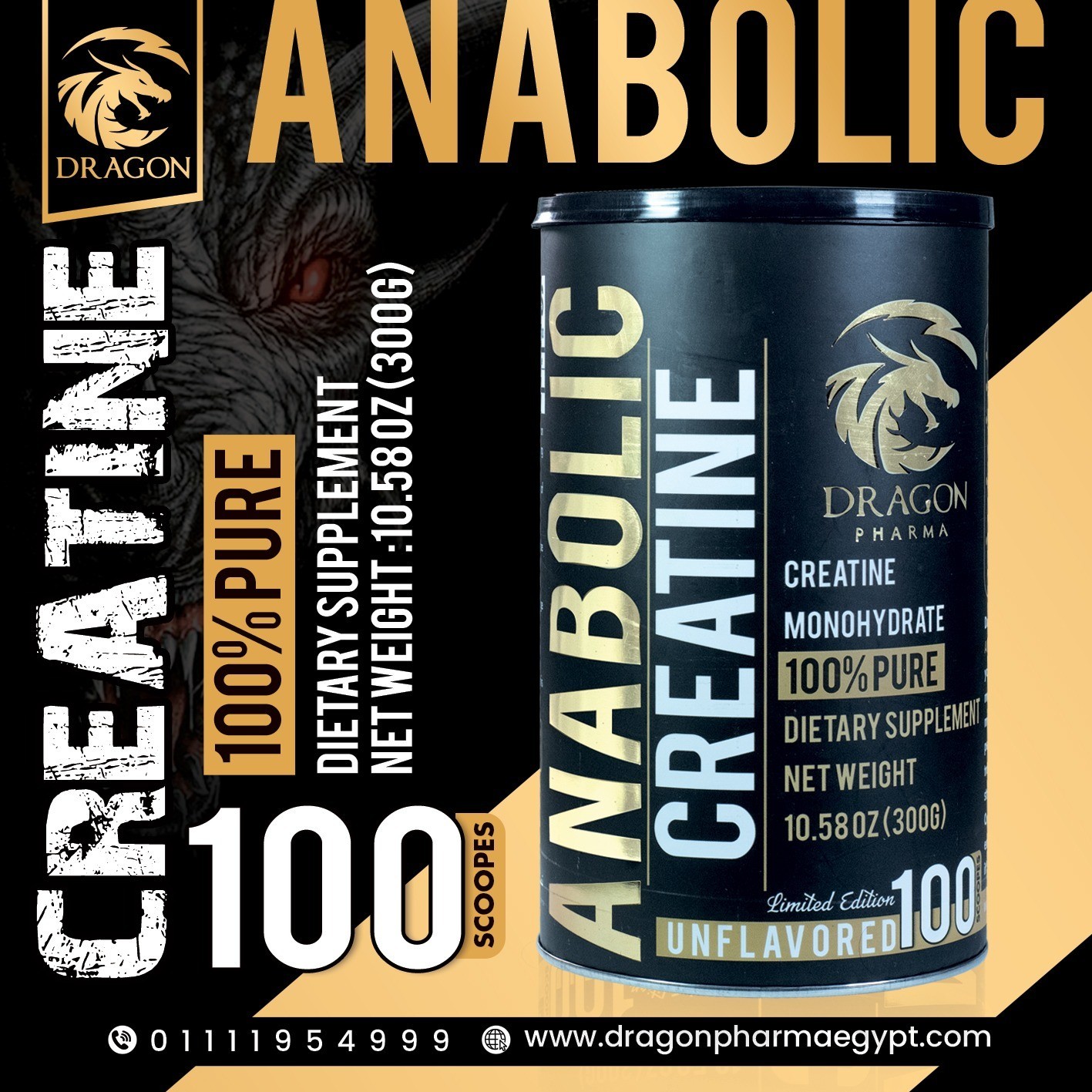
Dragon Anabolic Creatine 100S
EGP700.00 -
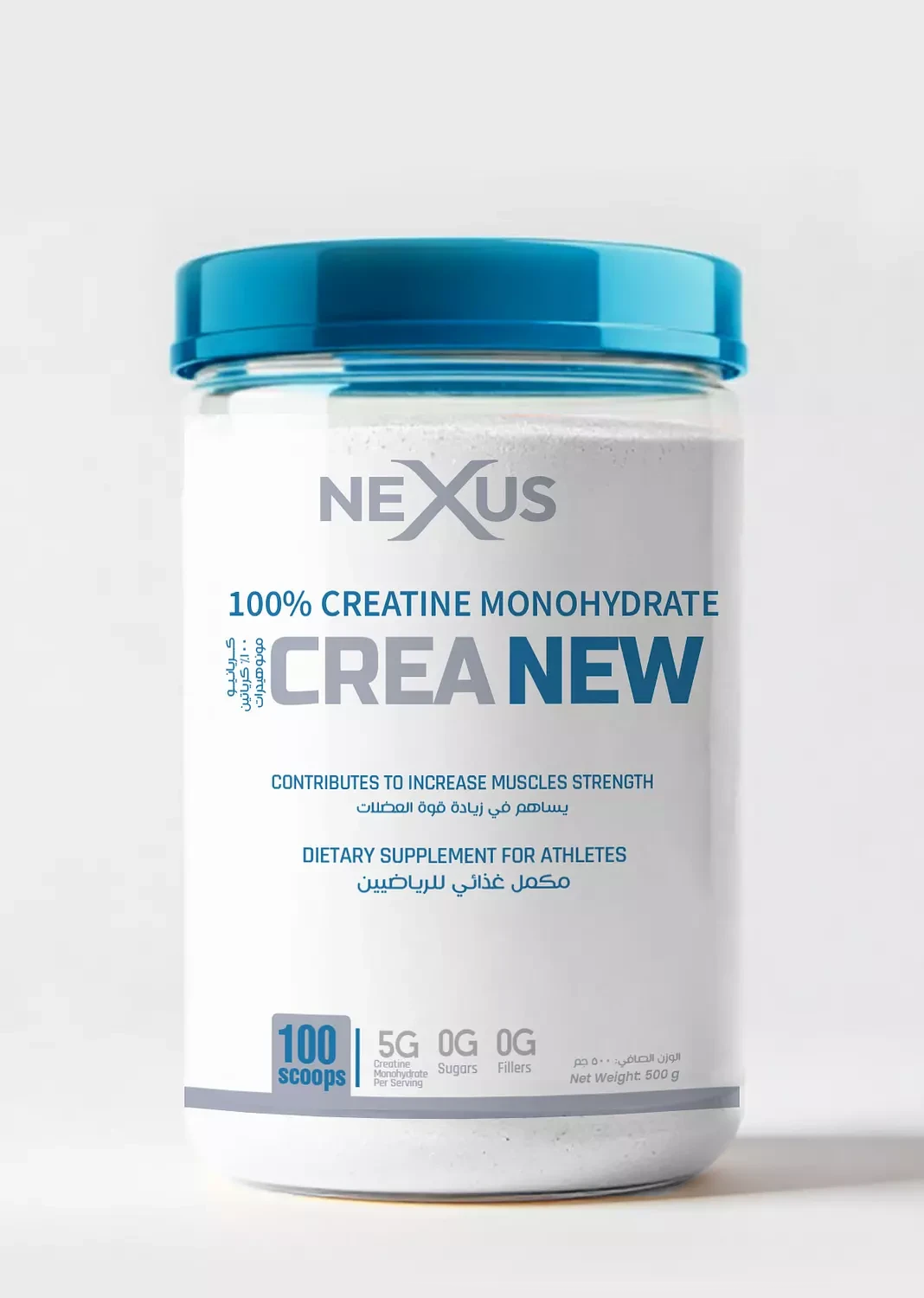
NEXUS CREA NEW (Creatine Monohydrate)
EGP700.00 -
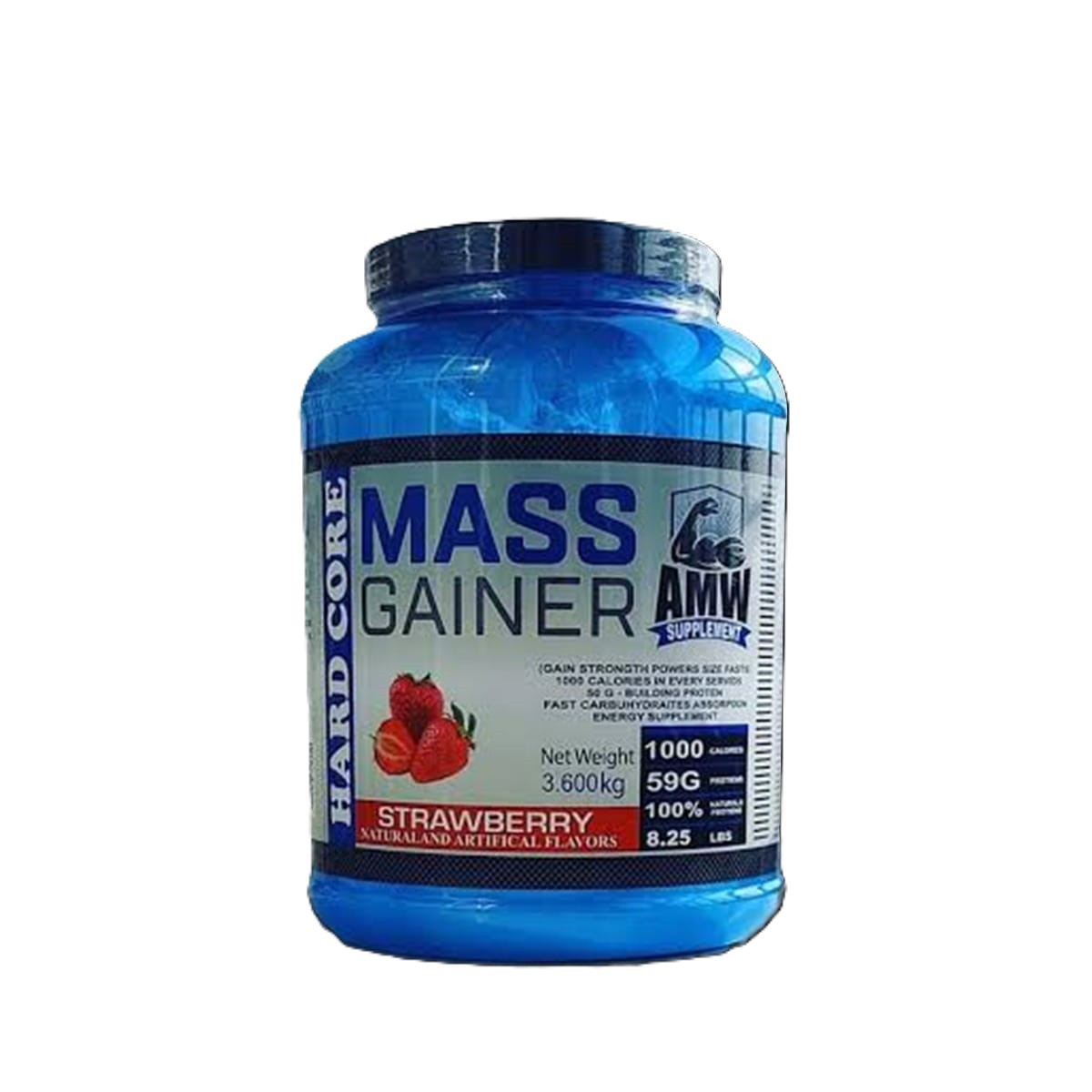
AMW Mass Gainer 2K.G
EGP750.00
Here is a detailed, independent breakdown of Azgard Nutrition – “Azgard Creatine NANO”: what it is, how it’s described, how to use it, and what to check.


What is Azgard Creatine NANO:
-
Azgard Creatine NANO is presented as a 100% creatine monohydrate supplement — but in “nano” form: i.e. the creatine particles are very finely ground. As per Azgard’s description: each serving gives ~ 4.9 g of pure creatine monohydrate.
-
According to the manufacturer, the “nano” size is claimed to be ~ 1250 times smaller than ordinary/micronized creatine particles — the idea being that the smaller size improves absorption efficiency.
-
Packaging options: the product is sold in tubs such as 300 g (≈ 60 servings) but there are also 500 g and 1000 g versions depending on region/retailer.
-
The powder is offered in different “flavours” (or unflavoured / “natural”) depending on variant: e.g. natural, cherry, peach, mango, etc.
What It Claims to Do — Purported Benefits & Purpose:
According to Azgard’s product description:
-
Increase muscle power / strength — especially useful for short bursts of high‑intensity, repeated exercise.
-
Support muscle mass increase (growth) — regular intake is claimed to help build lean muscle mass over time.
-
Improve muscle endurance and performance — making high-intensity or repeated sets more sustainable.
-
Possibly allow better absorption/efficiency — because of “nano” particle size, the claim is that creatine may absorb more efficiently than standard creatine powders.
How to Use It (Dosage / Instructions):
Based on the recommendations from Azgard’s pages:
-
Mix 5 g (1 scoop / 1 teaspoon) of Creatine NANO with ~250–400 ml of water (or other liquid / shake).
-
For “professional use” / loading phase (if you choose): up to 15 g/day for first ~5 days (i.e. 3 doses of 5 g) — though this is optional (as with many creatine protocols).
-
Maintenance dose: 5–7 g/day afterward.
-
Suggested cycle: use regularly for about 4–6 weeks, then take a break (3–4 weeks) before resuming — according to some retailer recommendations.
What Looks Good / Possible Advantages:
-
The product claims to be pure creatine monohydrate (no fancy blends) — this simplicity tends to be more studied and reliable than complex blended formulas.
-
The “nano” form claims to offer enhanced absorption — if true, this could mean better utilization of creatine with potentially less waste.
-
Various packaging sizes — you can choose a smaller tub (300 g) for trial / short‑term use or larger ones (500 g / 1000 g) for long‑term bulk use — flexible depending on your needs.
-
Flavoured / unflavoured options — gives flexibility depending on your taste preference (some prefer unflavoured “plain” powder; some prefer flavoured).
What to Watch Out / What’s Unclear / What to Keep in Mind:
-
The “nano” claim — while interesting — is based on marketing; I did not find independent scientific studies showing that “nano‑creatine” is meaningfully superior to regular micronized creatine in absorption or effectiveness. The benefits may be theoretical/marketing, not proven.
-
As with any creatine supplement: effectiveness depends heavily on consistent training, good nutrition, hydration, and proper rest. Creatine is a support — not a substitute for training.
-
Always observe recommended dosage; excessive creatine intake may lead to side‑effects (like water retention, possible digestive discomfort), especially if not well hydrated.
-
When buying in Egypt (or locally), check that the packaging looks genuine, expiry date is valid, and buy from trusted retailers — quality control in supplements can vary.
Who Azgard Creatine NANO Is (Probably) Good For:
-
Gym‑goers, athletes, people doing intense weight‑lifting, strength training, HIIT or explosive workouts — who want to try creatine and maybe get a “boost” via a supposedly more absorbable form.
-
People who prefer creatine monohydrate only (no complex blends) but like the idea of “nano / high‑absorption” marketing.
-
Those looking for flexibility in package size (small 300 g tub for trial or 500 g / 1000 g for long-term use).
Related products
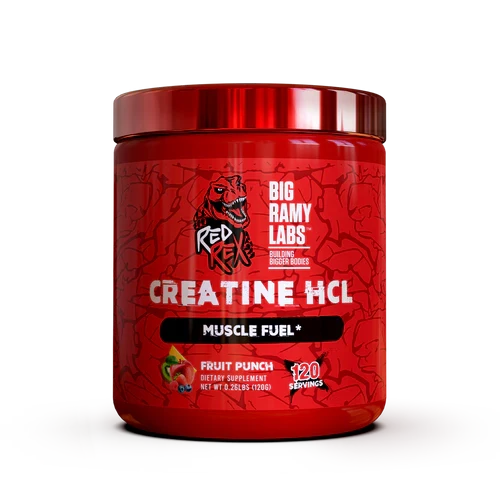
RED REX CREATINE HCL 120s FRUIT PUNCH
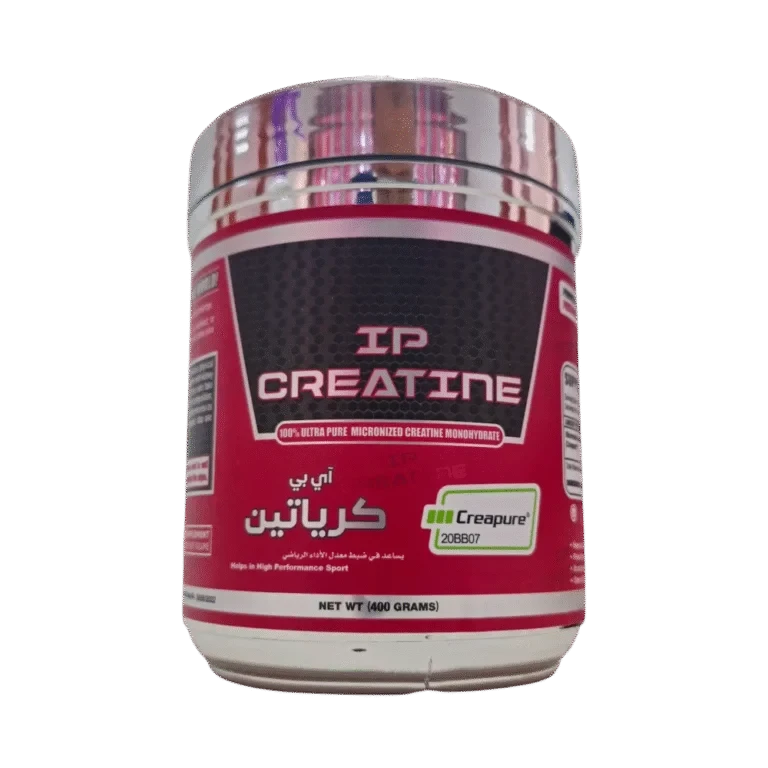
I-Performance, Creatine Creapure, 400g, 80 Servings
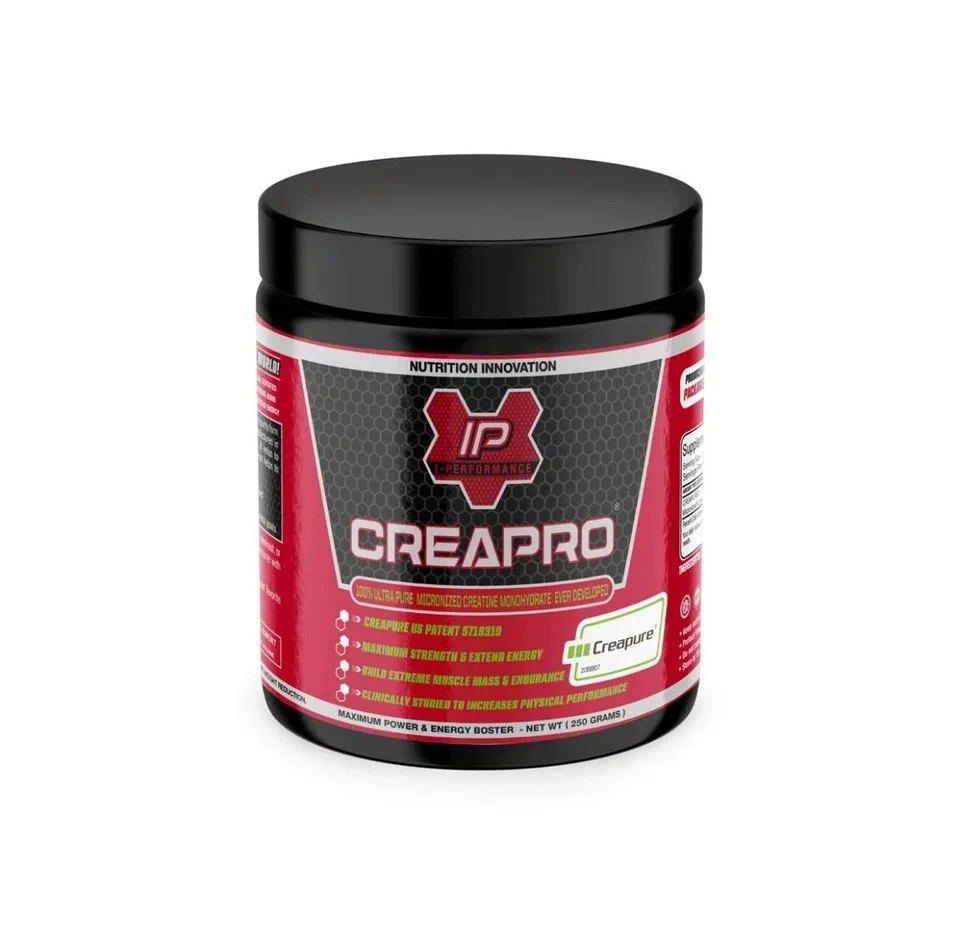
I-Performance Creapro 250 gm Unflavored
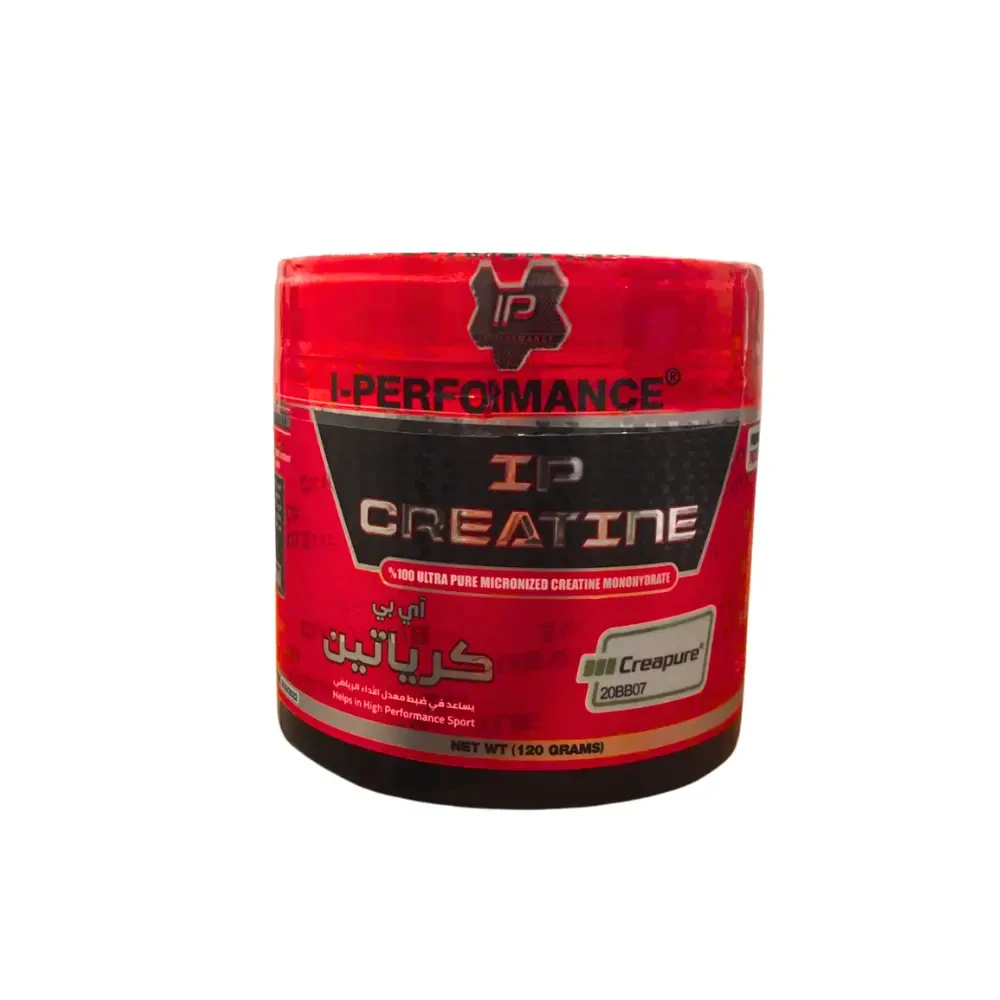
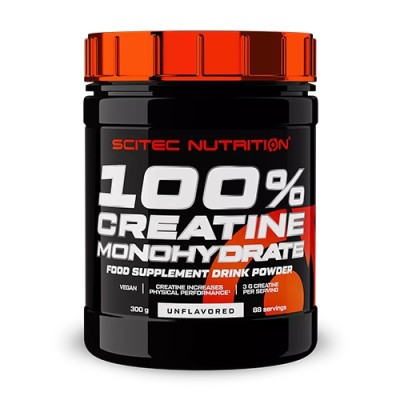
Scitec 100% Creatine Monohydrate 300g
Creatine Skeleton Monohydrate
Platinum Creatine
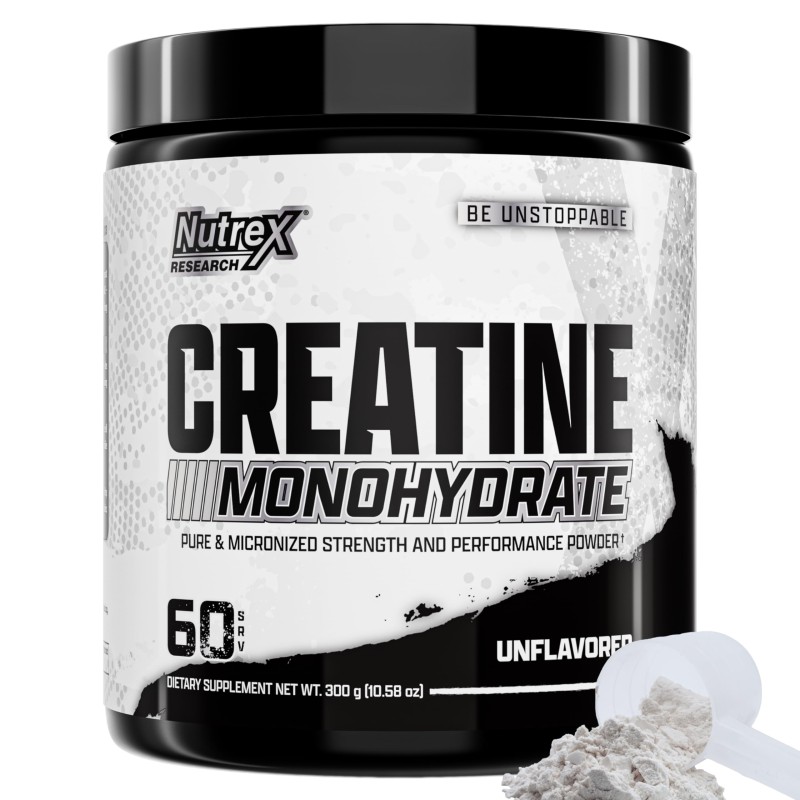
Creatine Monohydrate 300 g (60 servings)



Contact Info
- Address: Center Roushdi, Alexandria, Egypt
- Phone: 01113669991
- Email: info@alexmuscle.com