

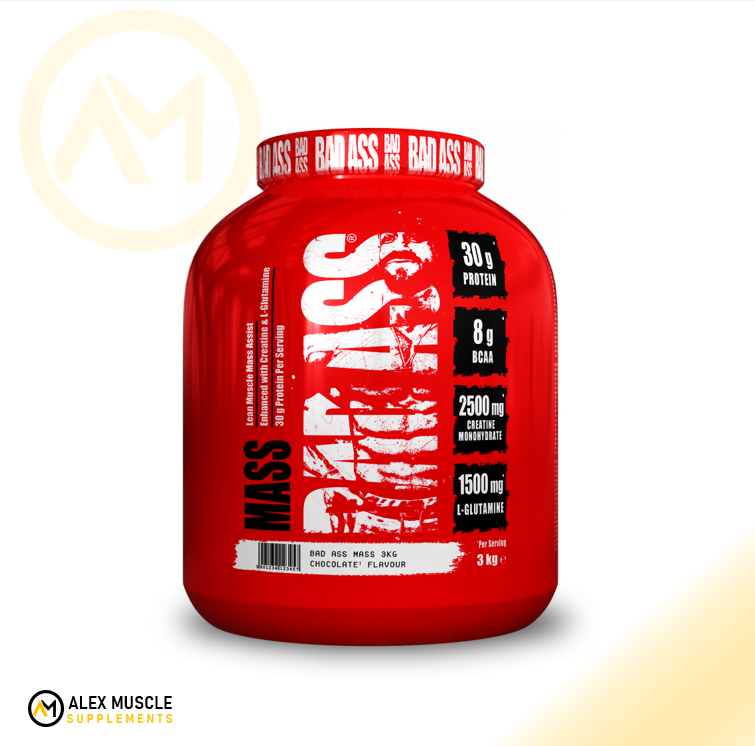
Bad Ass Gainer 2.5 kg
Inhouse product

-

Hellfire Creatine
EGP200.00 -
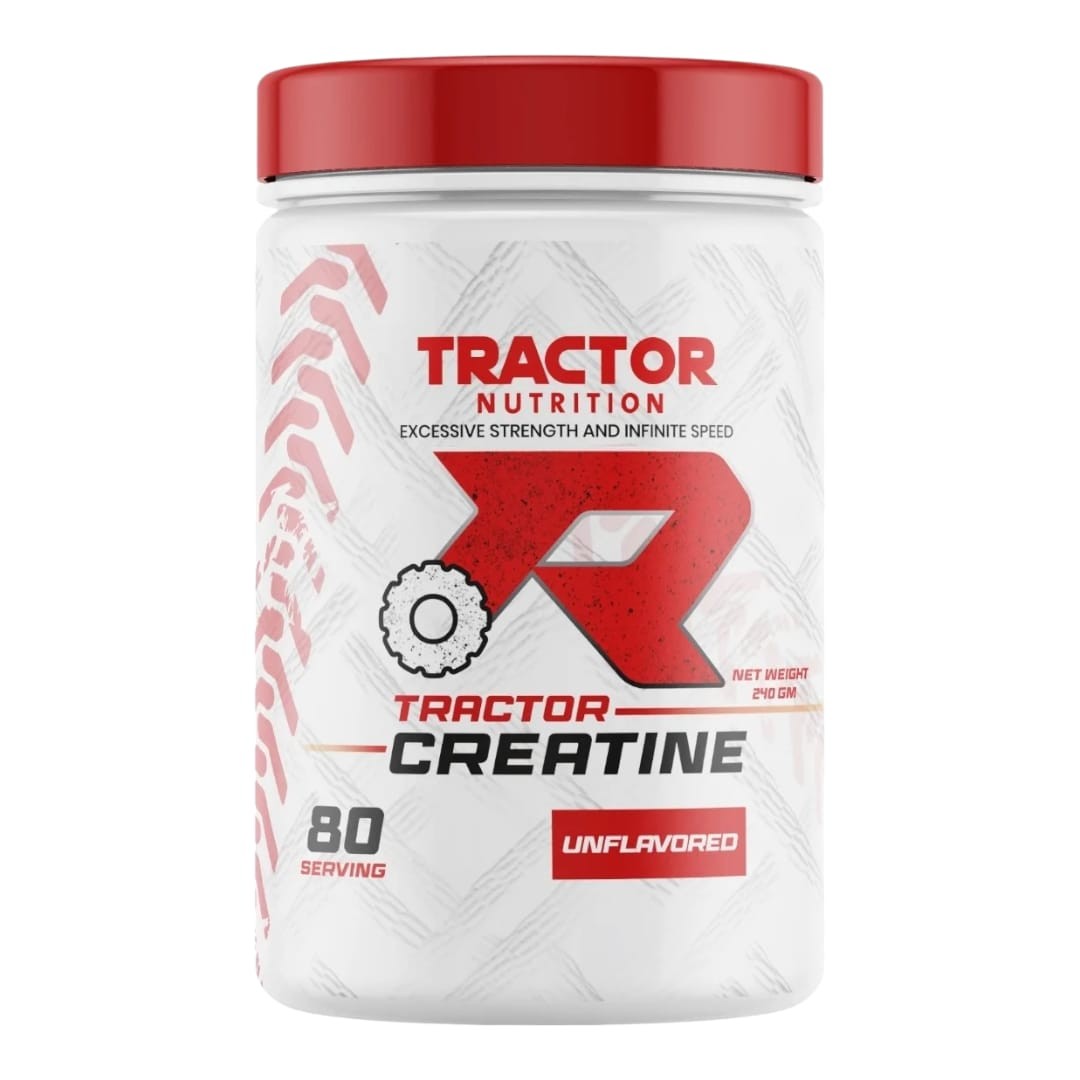
Tractor Creatine 80 Servings 240 g
EGP600.00 -
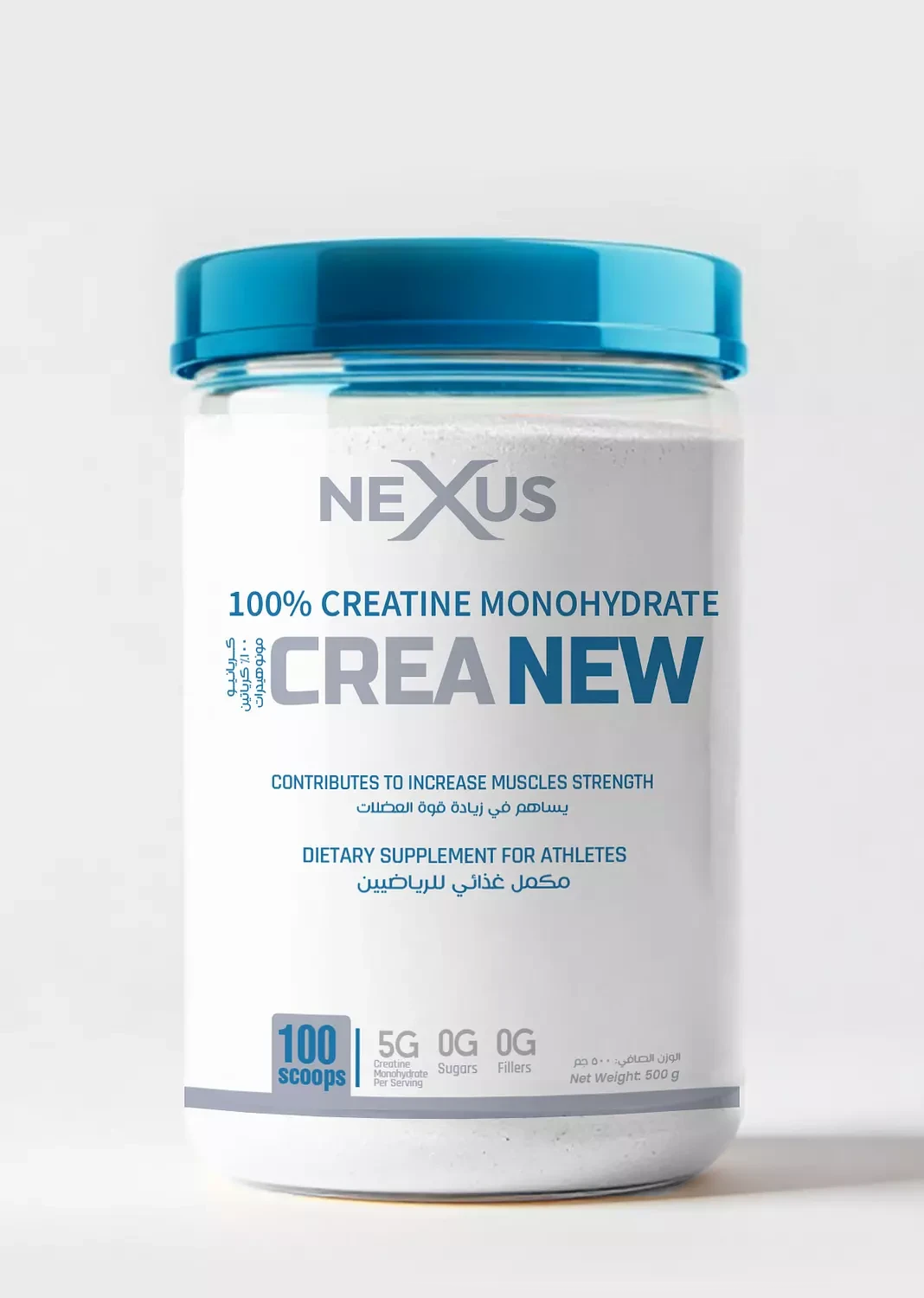
NEXUS CREA NEW (Creatine Monohydrate)
EGP700.00 -
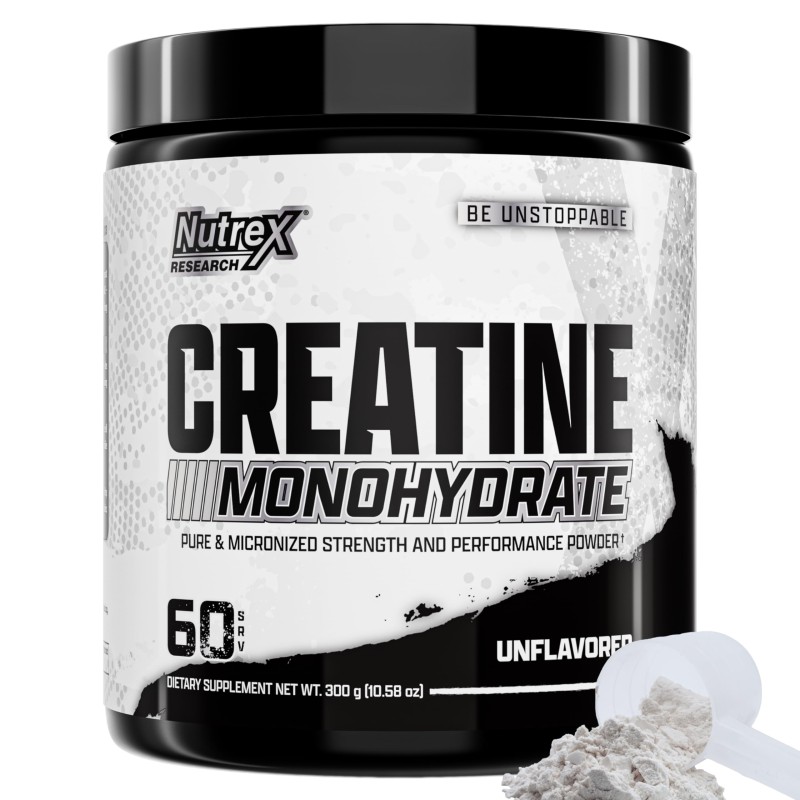
Creatine Monohydrate 300 g (60 servings)
EGP1,000.00 -
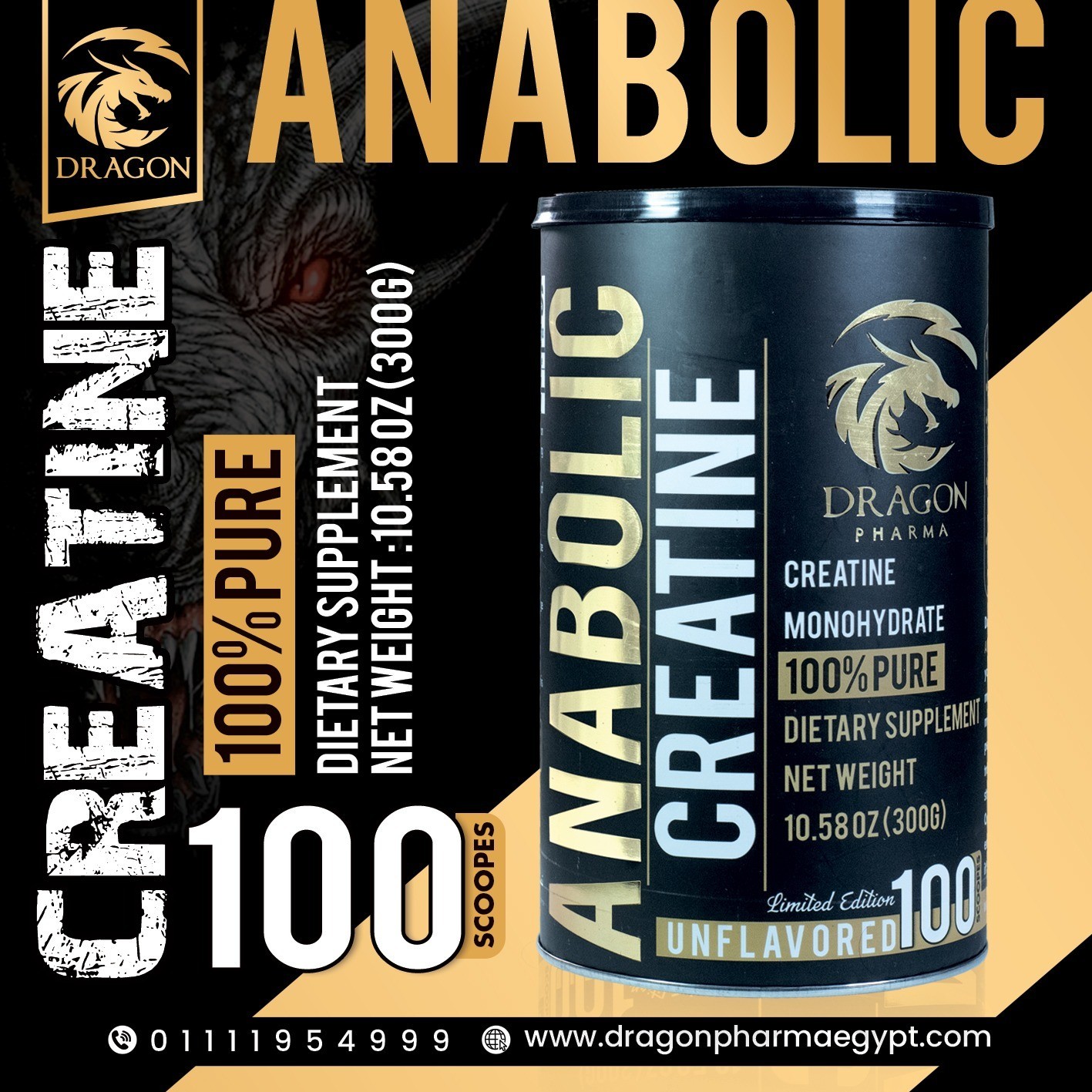
Dragon Anabolic Creatine 100S
EGP700.00 -
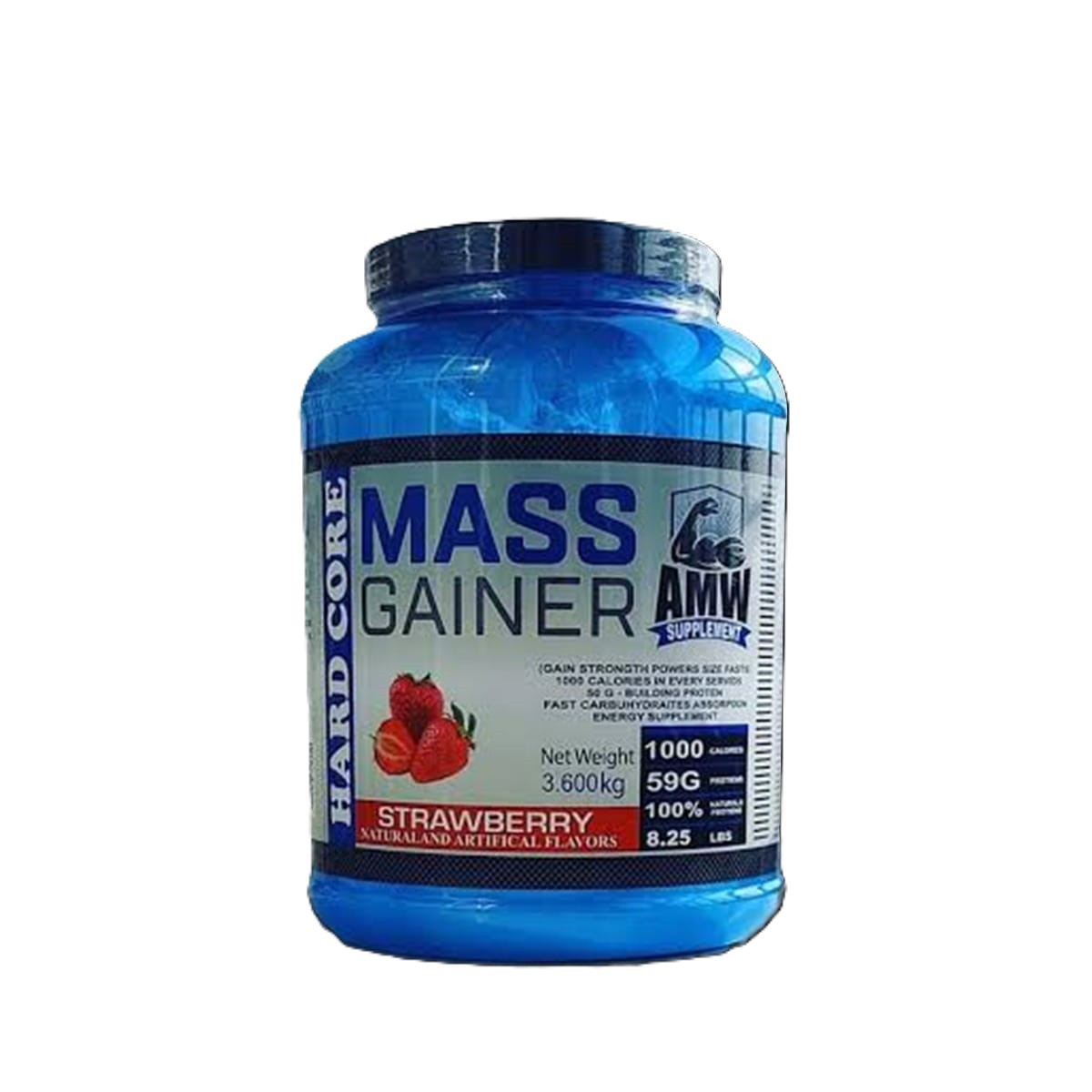
AMW Mass Gainer 2K.G
EGP750.00

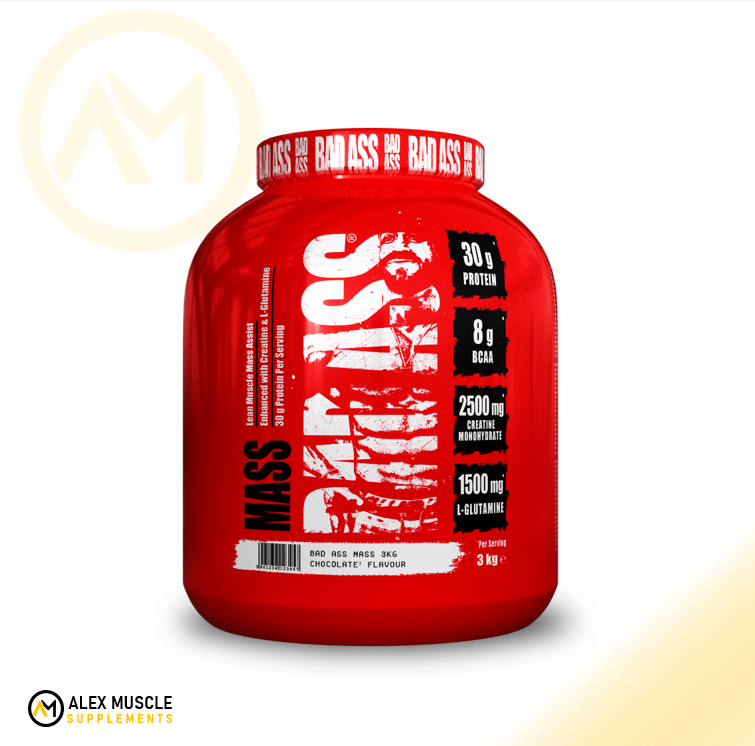

What is Bad Ass 2.5 kg Gainer?
-
There is a version of Bad Ass “gainer / meal” sold in 2.5 kg size.
-
It’s marketed as a powdered supplement intended to help with mass gain, increased energy, and muscle building / bodyweight increase — useful if you have a hard time eating enough calories or are training hard.
-
It’s essentially a mix of protein, carbohydrates, fats (and sometimes micronutrients / vitamins & minerals) — so it can function as a calorie-dense “meal substitute or supplement” for bulking.
Typical Nutrition / Composition (per 100 g serving — “Meal / Gainer 2.5 kg” version)
According to one listing of Bad Ass Meal 2.5 kg:
| Nutrient / Macro | Amount (per 100 g) |
|---|---|
| Calories / Energy | ~ 372 kcal |
| Protein | ~ 29 g |
| Carbohydrates | ~ 39 g |
| Fat | ~ 9.2 g |
| Fiber | ~ 8.4 g |
| Plus: various vitamins & minerals — depending on formulation. |
-
Some versions use whey protein + other protein sources (milk-derived, plant-based, etc.) + carb sources (e.g. oatmeal, maltodextrin, etc.) + MCT oil or fats.
-
The product tries to give a balanced macro + micronutrient profile, which may help if you struggle to eat enough balanced meals daily.
Who It’s Good For / Use Cases
This 2.5 kg gainer from Bad Ass may be suitable if you:
-
Are a “hard-gainer” (hard to gain weight or muscle) or have fast metabolism
-
Do intense workouts or strength training and want an easy way to get extra calories + protein + nutrients without eating 5–6 full meals daily.
-
Need convenience — e.g. busy schedule, limited appetite, or irregular meals — a shake may be easier than full meals.
Some sellers label it as a more general “meal supplement” (not just “mass-only gainer”), which hints that it aims to partially replace meals when needed.
What to Keep in Mind / Possible Tradeoffs!
-
Because of the high carbs + calories + fat, if you don’t adjust your overall diet (and training), you might gain fat rather than lean mass.
-
If you rely too much on shakes and neglect real food, you risk missing out on the variety and nutrients you get from whole foods.
-
As with all supplements: this is a supplement — not a substitute for good nutrition and training. It helps only as part of a balanced diet + consistent workout program.
-
Must check ingredients carefully (e.g. protein source, carb/fat ratio, micronutrients) — especially if you have dietary restrictions or sensitivities.
Related products
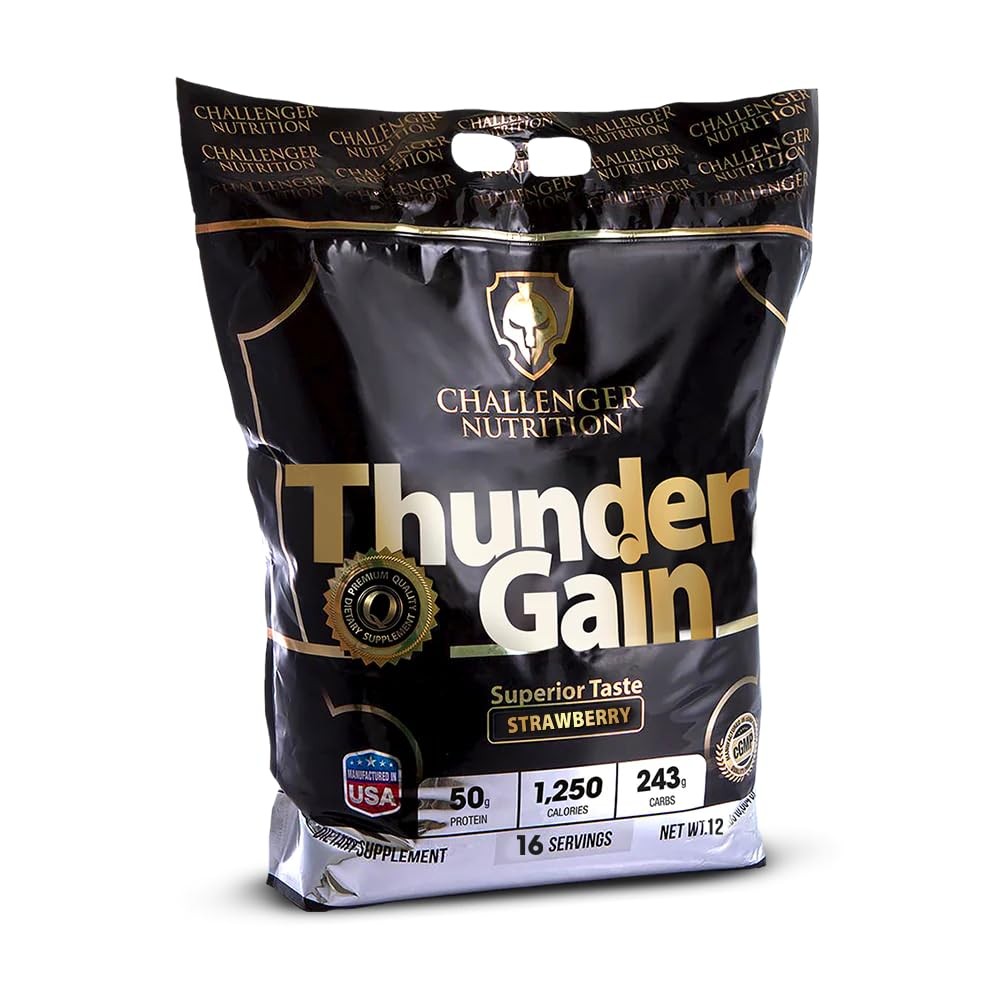
Challenger Thunder Gainer 5kg
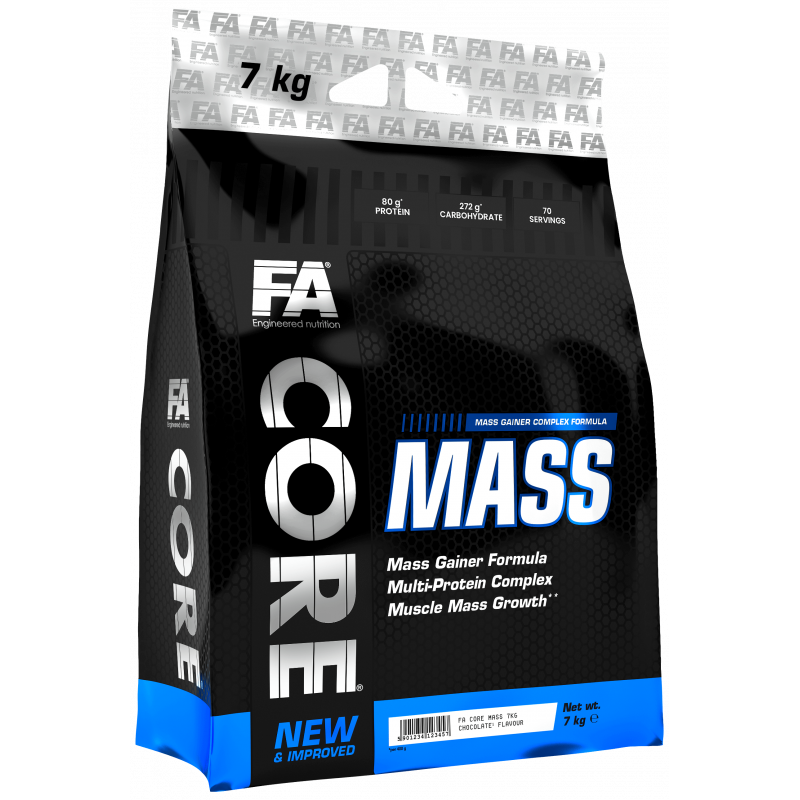
FA Mass Core 5kg
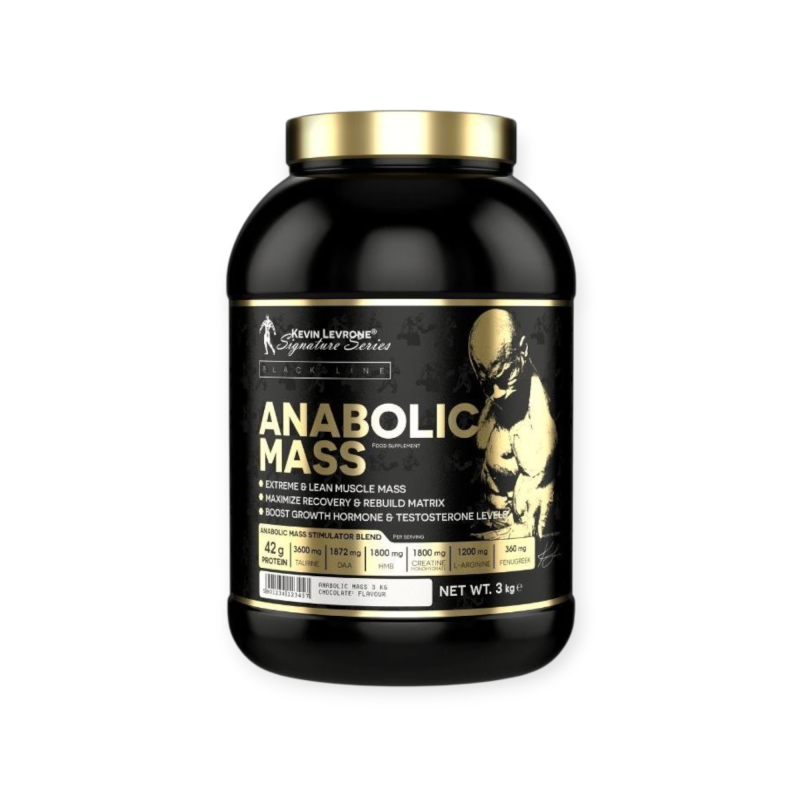
Kevin Levrone Anabolic Mass Gainer 3kg
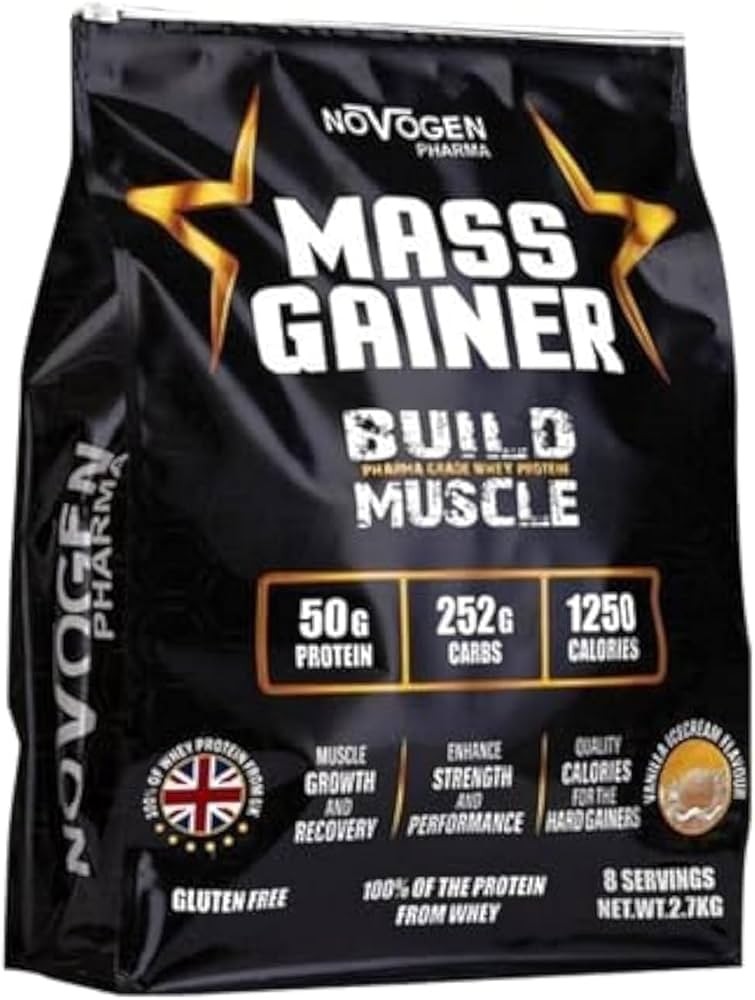
Novogen Mass Gainer 2.7kg
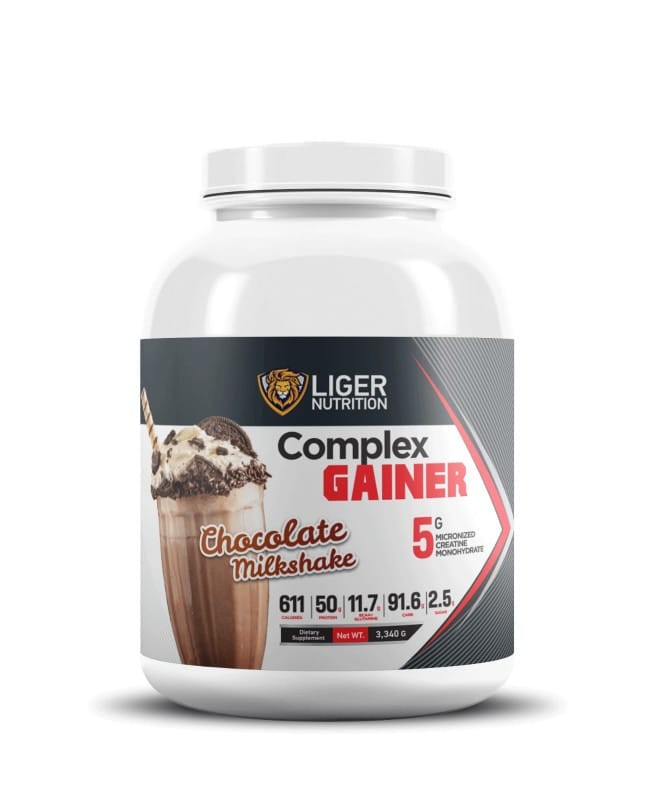
Liger Complex Gainer 2Kg
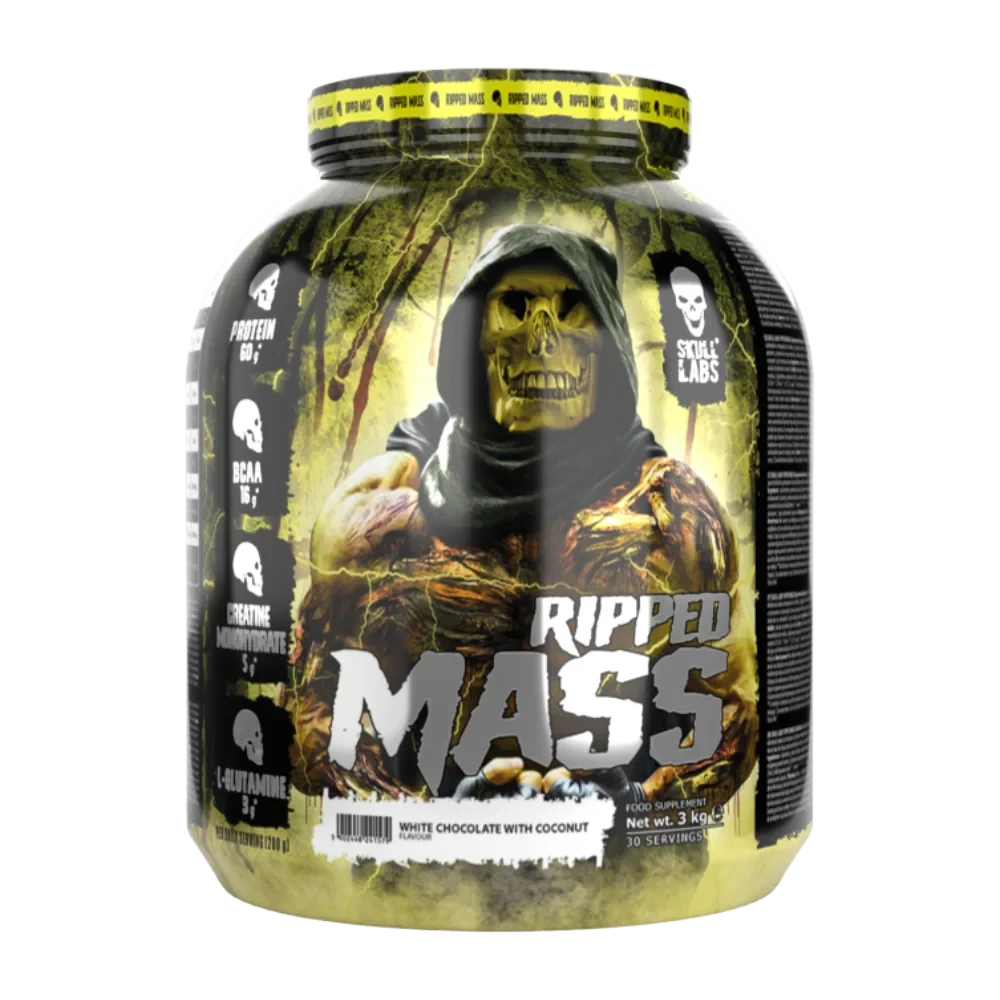
Skull Labs Ripped Mass Gainer 3 kg
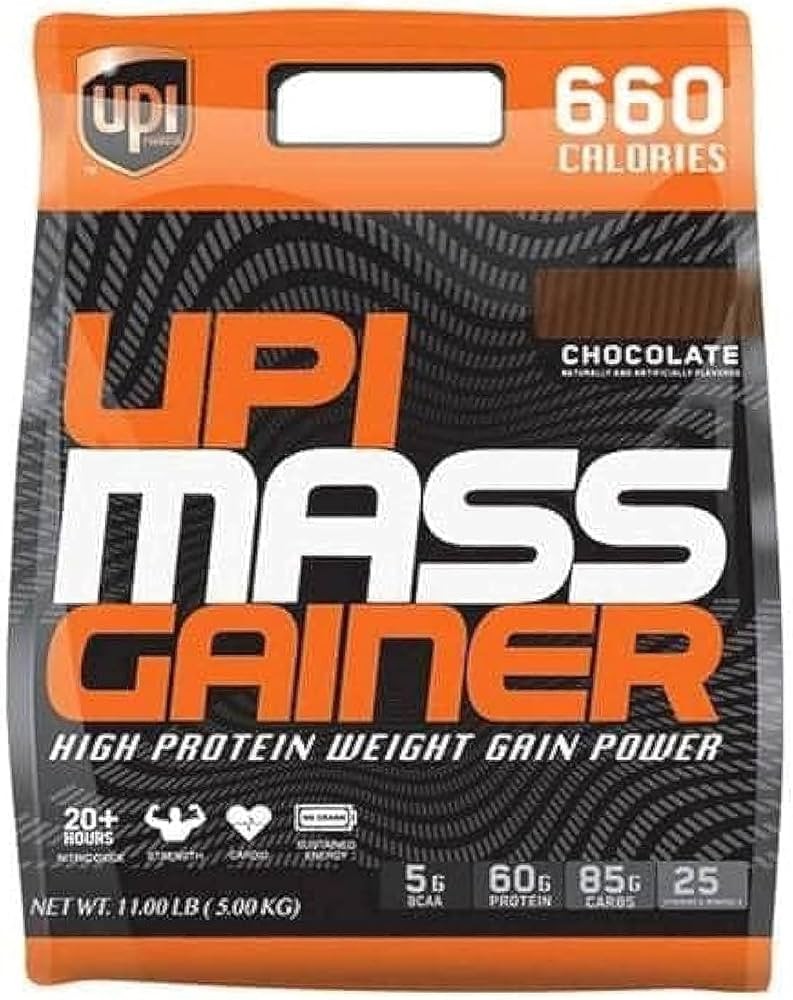
UPI Mass Gainer 5 kg
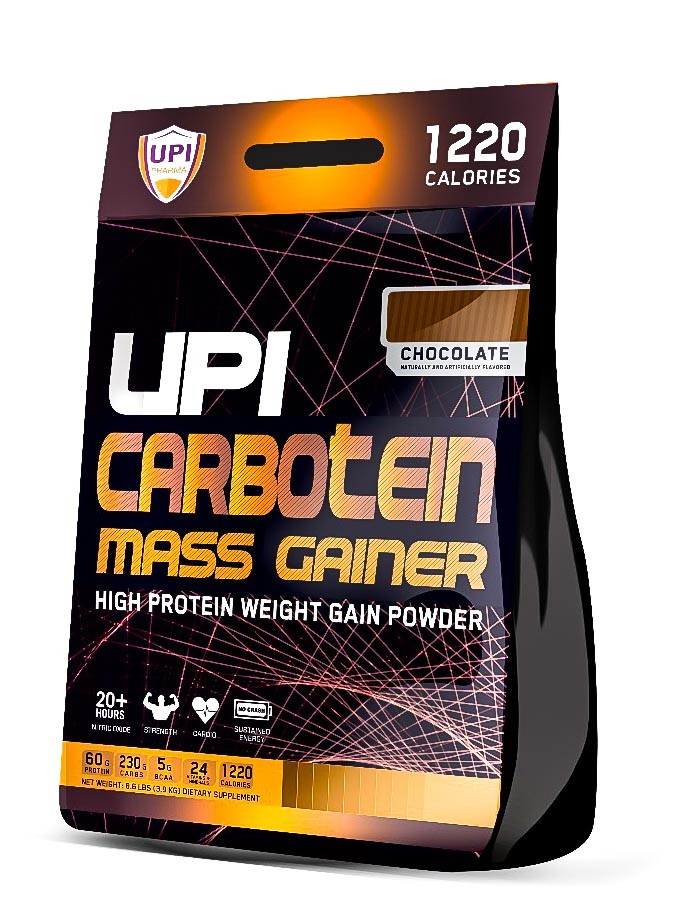
UPI Carbotein Mass Gainer
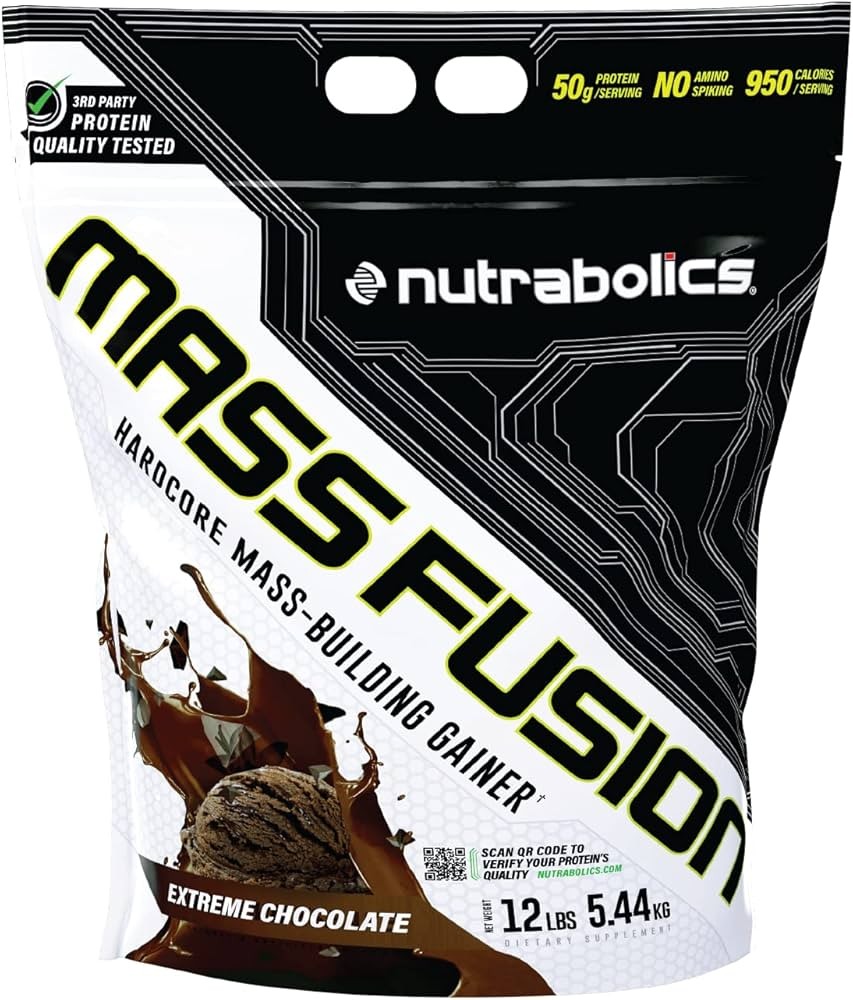
Mass Fusion 5kg
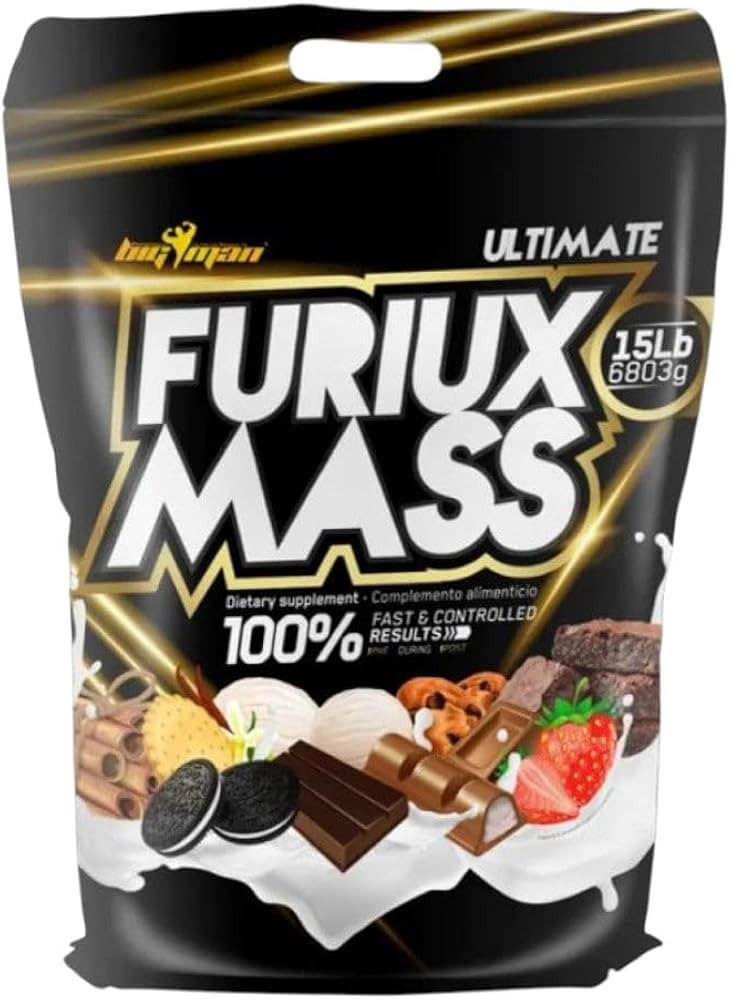
Big Man Furiux Mass 6 KG



Contact Info
- Address: Center Roushdi, Alexandria, Egypt
- Phone: 01113669991
- Email: info@alexmuscle.com