

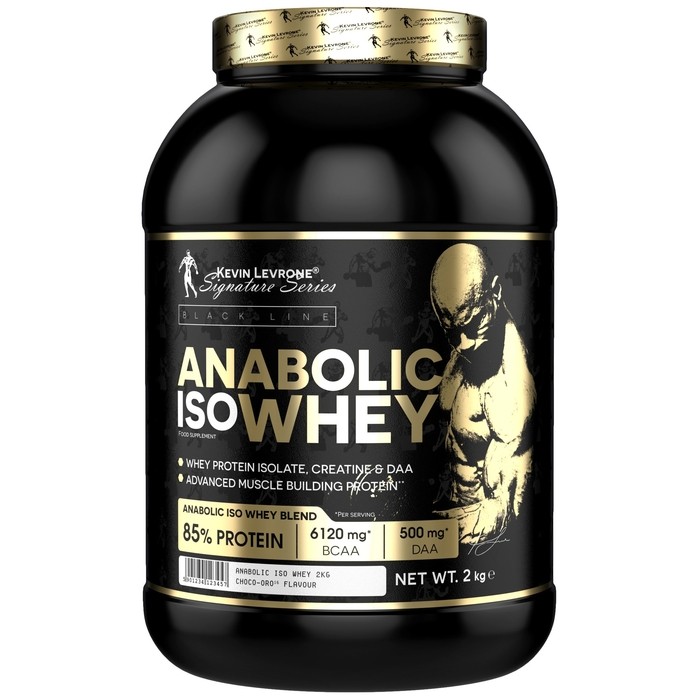
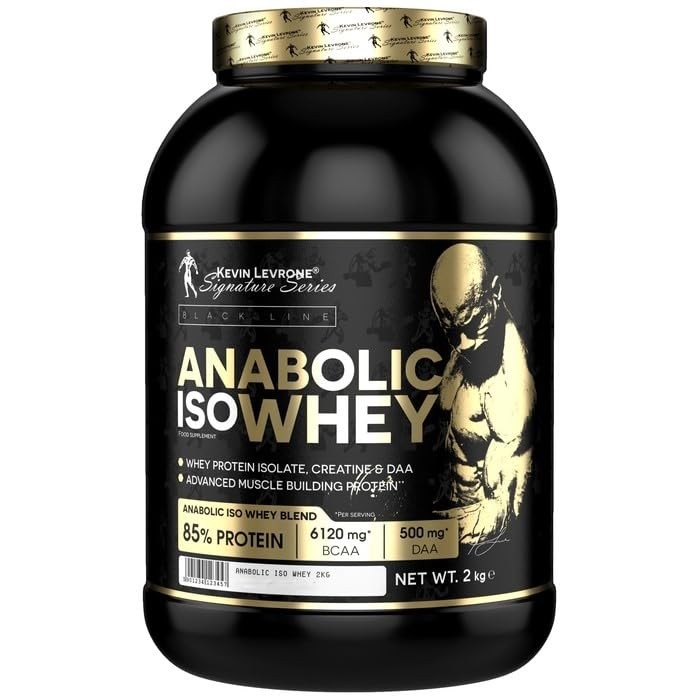
Kevin Levrone Anabolic ISO Whey 2 kg
Inhouse product
-

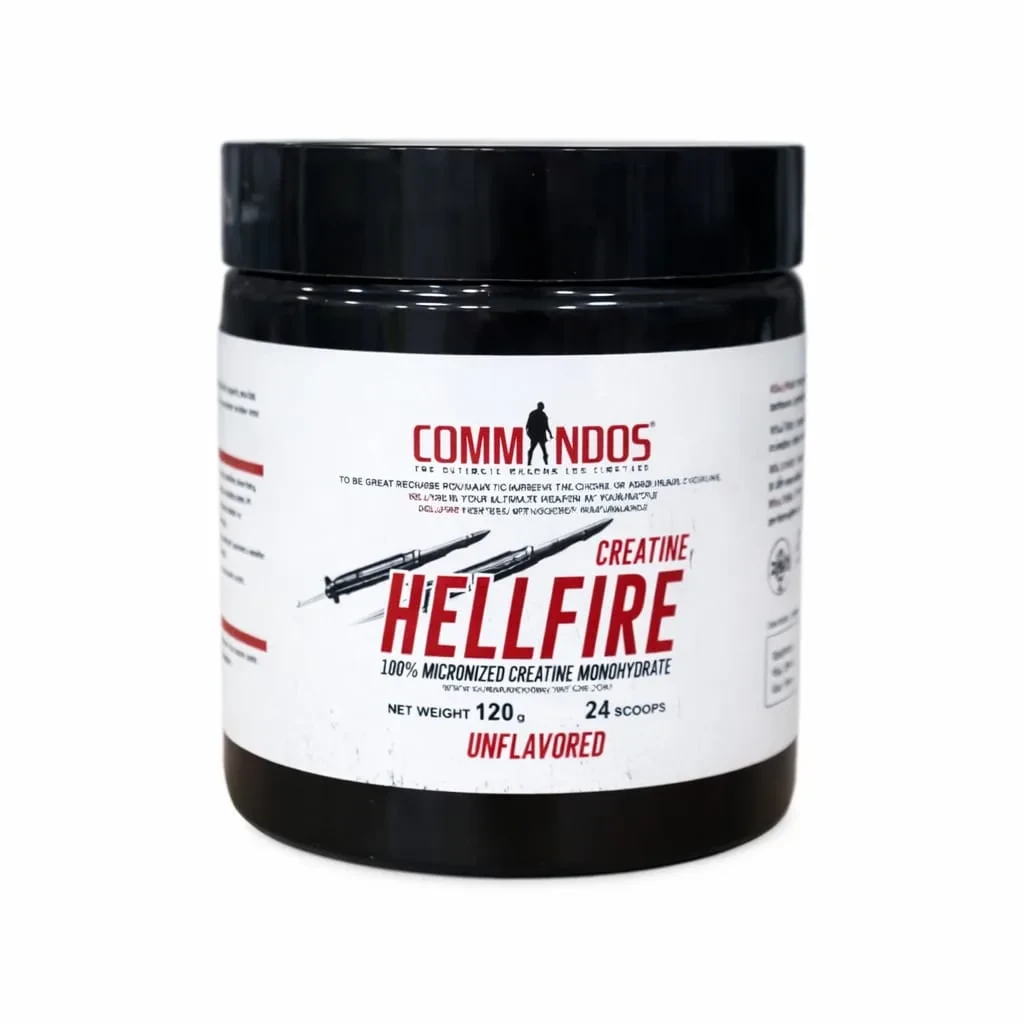
Hellfire Creatine
EGP200.00 -
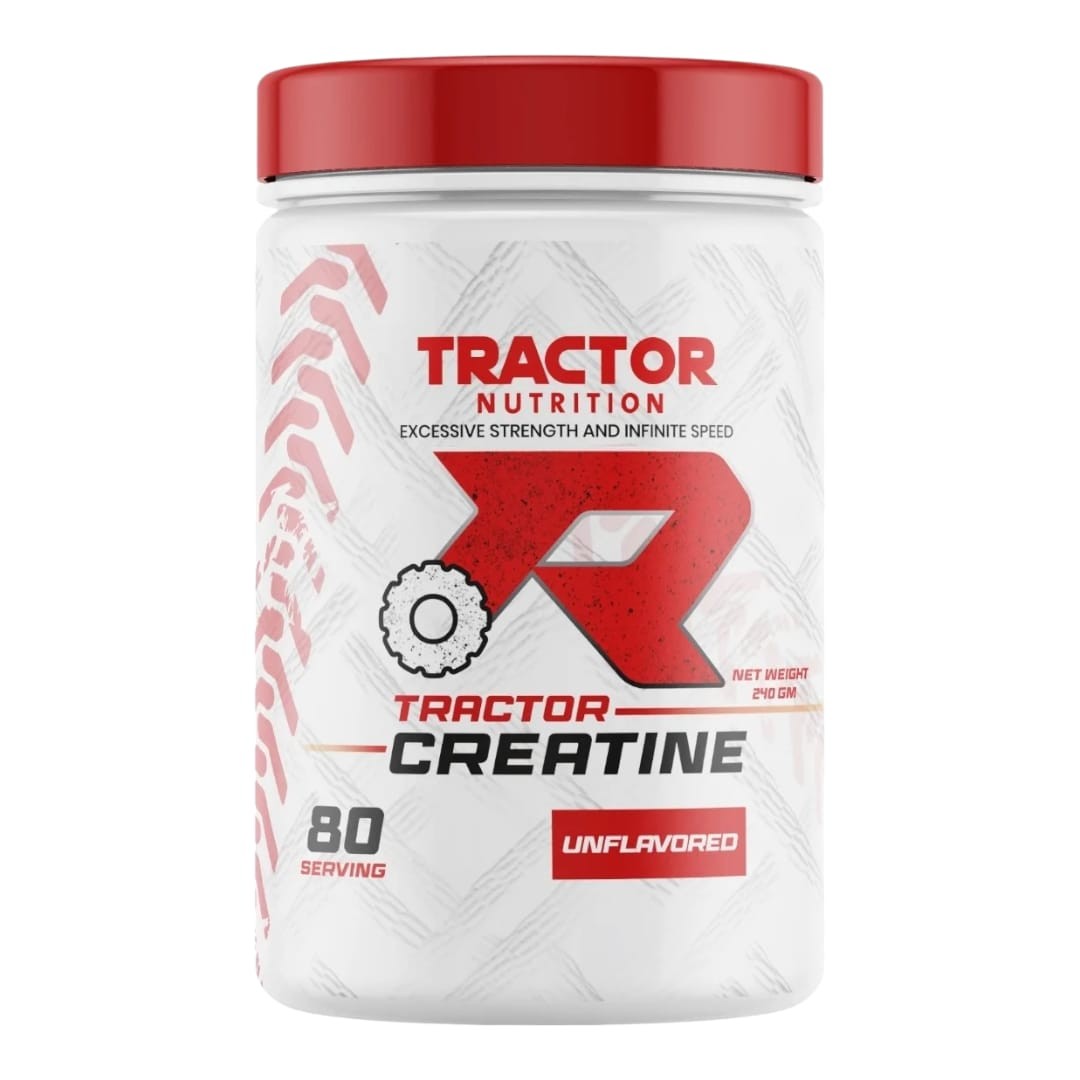
Tractor Creatine 80 Servings 240 g
EGP600.00 -
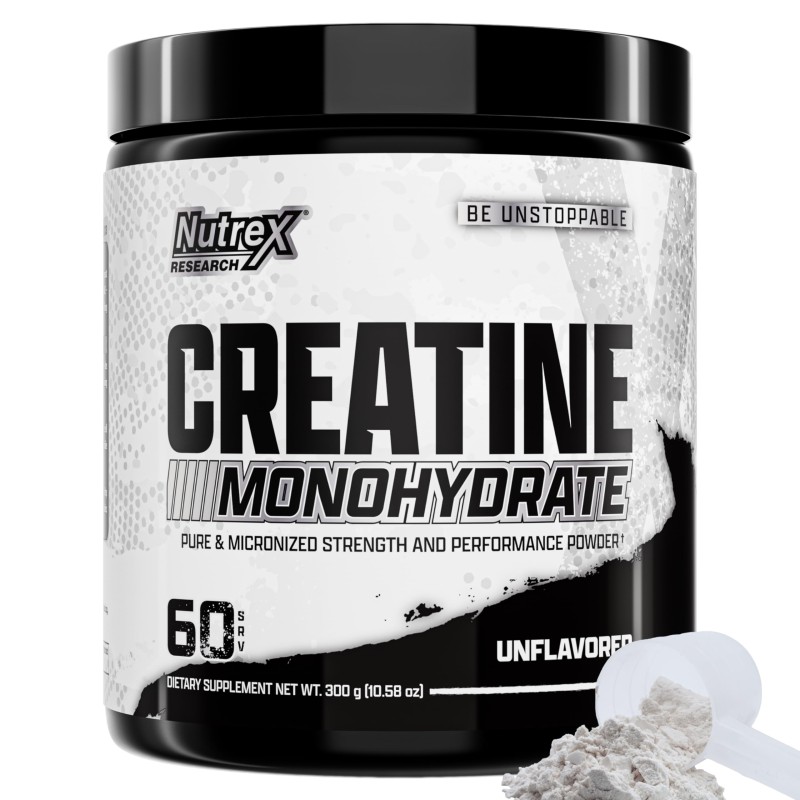
Creatine Monohydrate 300 g (60 servings)
EGP1,000.00 -
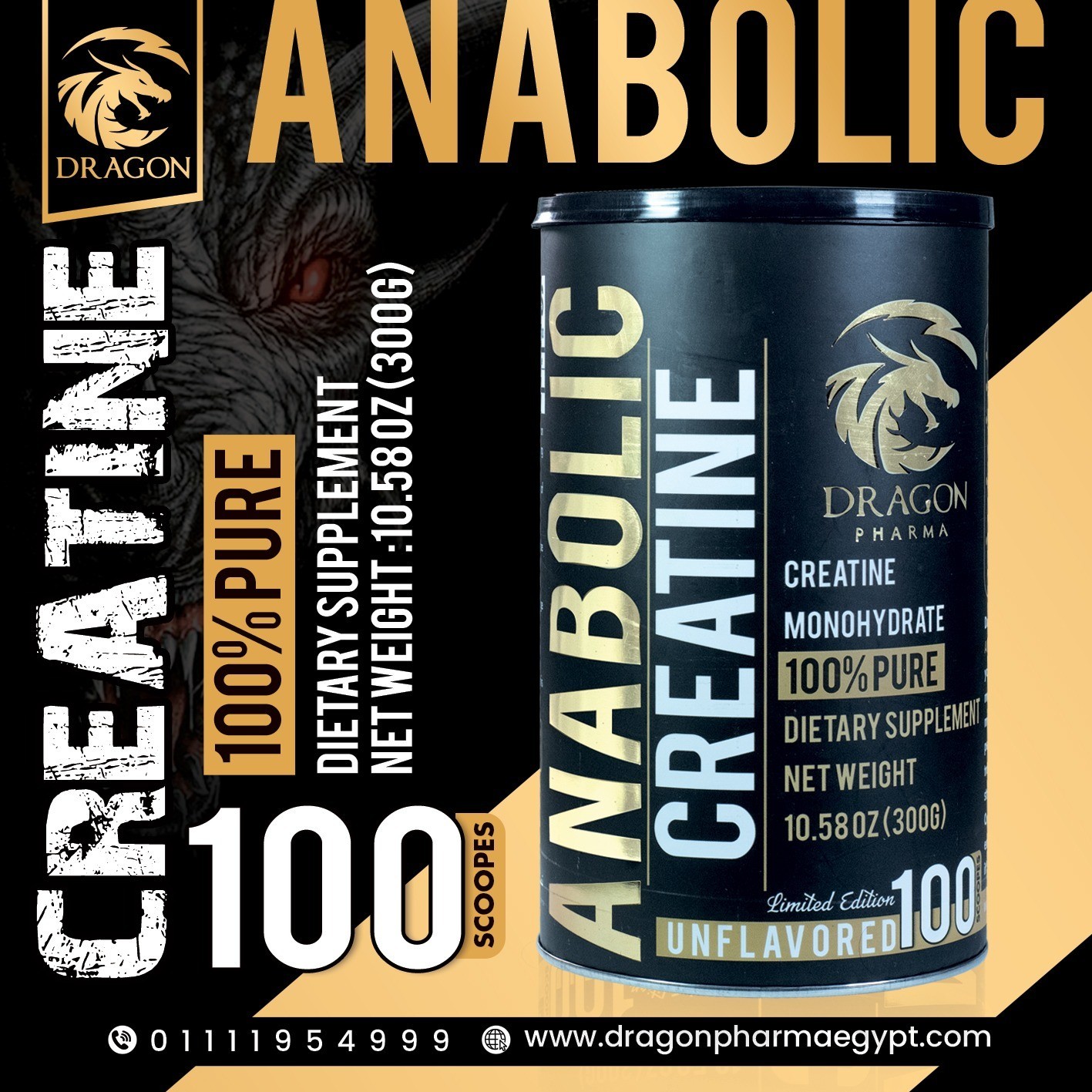
Dragon Anabolic Creatine 100S
EGP700.00 -
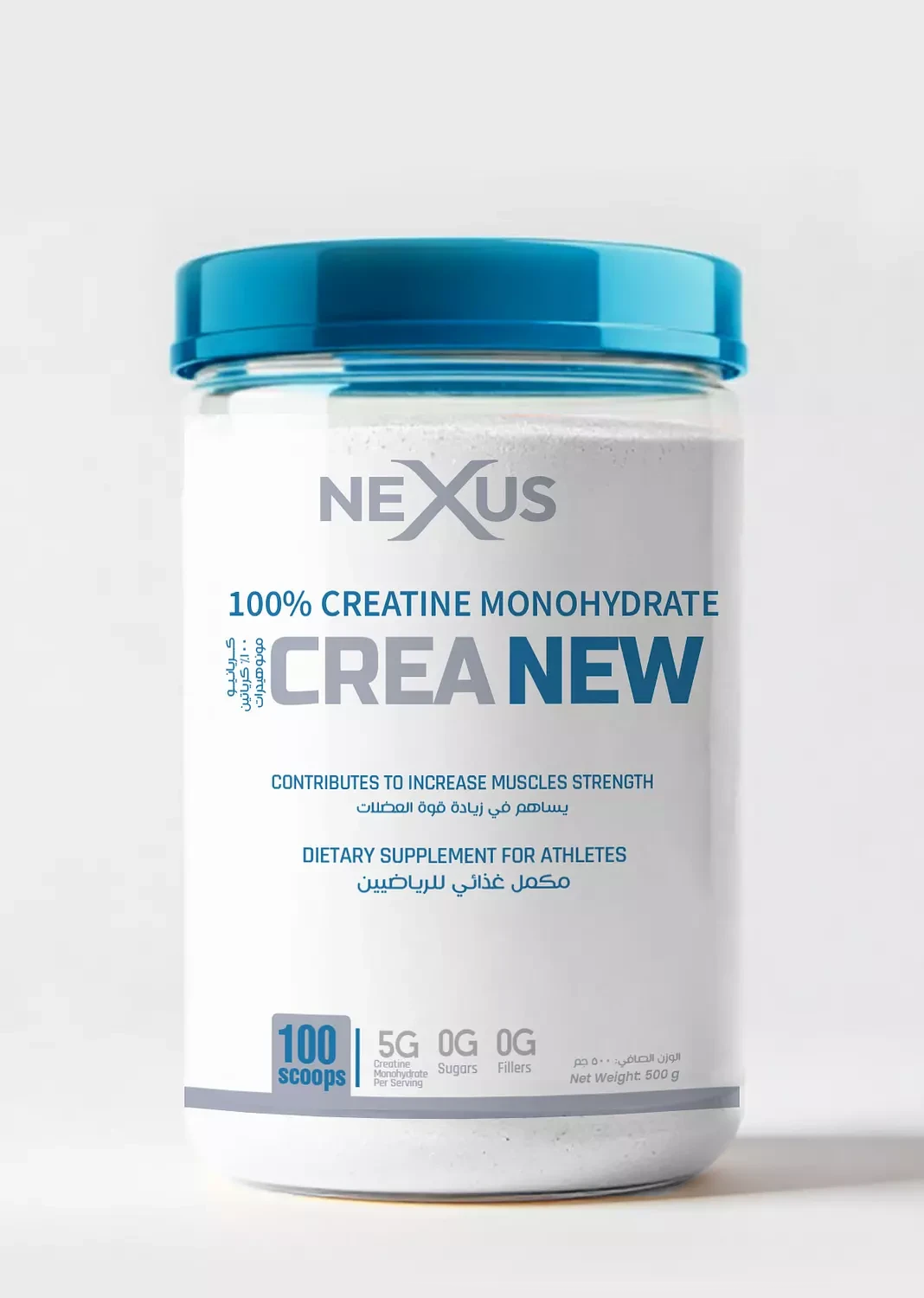
NEXUS CREA NEW (Creatine Monohydrate)
EGP700.00 -
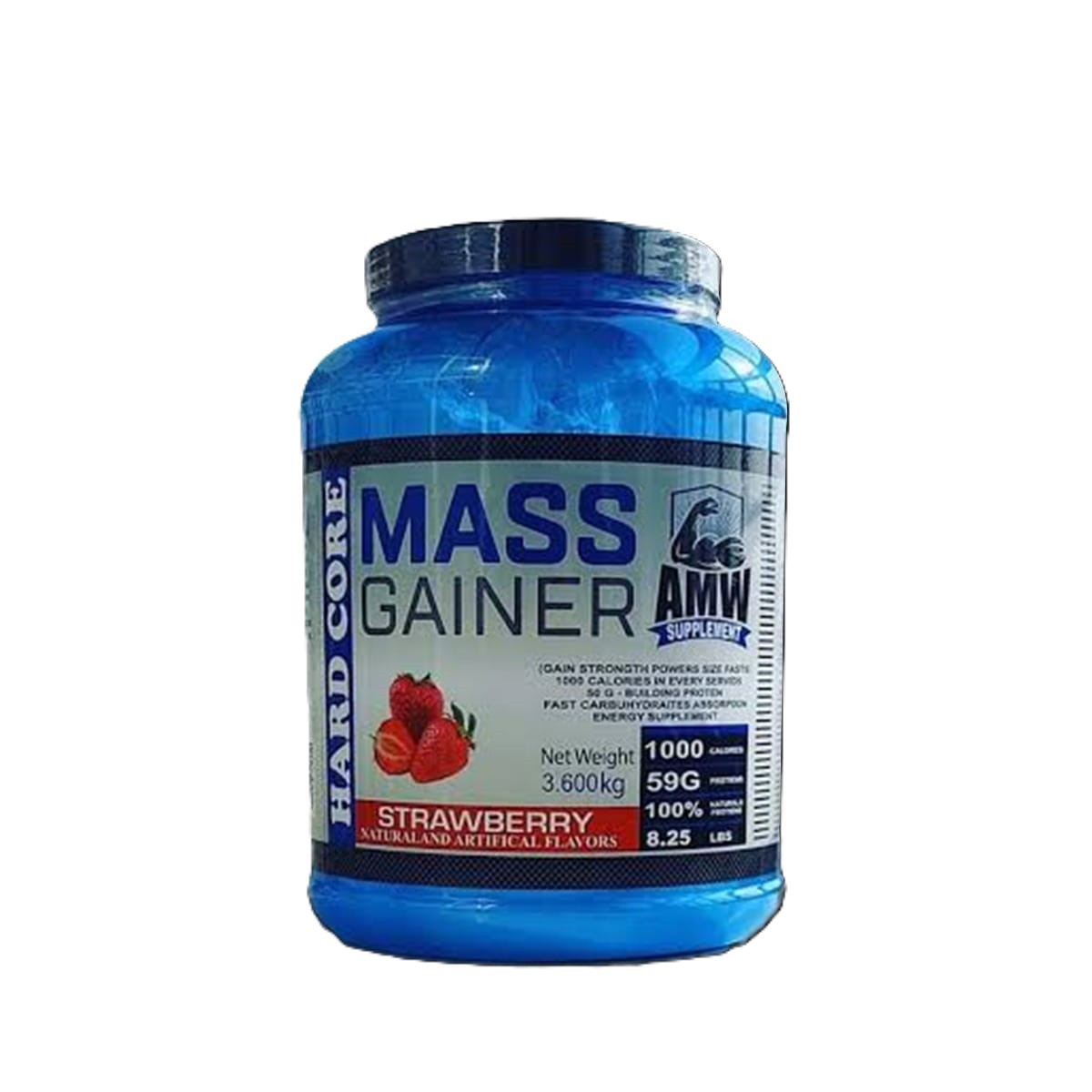
AMW Mass Gainer 2K.G
EGP750.00
Good — here’s what I found about Kevin Levrone Anabolic ISO Whey 2 kg: what it is, what’s inside, and what to check if you think about buying it.


What is Kevin Levrone Anabolic ISO Whey 2 kg?
-
This supplement is a whey‑protein isolate powder (WPI) from Kevin Levrone’s line — branded “Anabolic ISO Whey.”
-
It’s formulated for people who train and need higher protein intake — for muscle‑building, recovery, or maintaining lean muscle mass.
-
The “2 kg” size typically gives around 66 servings per tub (each serving ≈ 30 g).
Nutrition & Ingredients (per serving ≈ 30 g):
Based on publicly available supplement facts for this product:
| Nutrient / Ingredient | Approx. Value per Serving |
|---|---|
| Protein (whey isolate) | ~ 25.5 g |
| Calories | ~ 113 kcal |
| Fat | ~ 0.8 g |
| Carbohydrates | ~ 0.9 g (of which sugars ~ 0.9 g) |
| Additional — Creatine monohydrate | ~ 3000 mg per serving |
| Taurine | ~ 1000 mg per serving |
| D‑Aspartic Acid (DAA) | ~ 500 mg per serving |
So besides high‑quality whey protein isolate, this blend includes creatine, taurine, and D‑Aspartic Acid — supposedly to support muscle growth, performance, and recovery.
What It’s Good For / Who It Suits?
-
If you want high‑quality, fast‑absorbing protein without much fat or carbs — good for lean muscle building, clean bulking, or cutting phases.
-
The added creatine and DAA might help with strength, training performance, and muscle recovery (though as always: diet + training + rest matters).
-
It could be helpful if you struggle to hit daily protein needs from food alone — convenient as a post‑workout shake or between meals.
-
Low-carb/low-fat profile might appeal if you’re tracking macros or controlling calories.
What to Watch Out For / What to Check Before Buying!
-
Because supplement markets and supply chains vary, always check authenticity: sealed packaging, batch number, expiry, and importer details — especially when buying online. Several listings for this product emphasize authenticity. (iFit)
-
It’s still a supplement, not a meal replacement — real nutrition, training, and rest remain essential for muscle gain or body recomposition.
-
If you have dietary sensitivities (e.g. lactose intolerance), note that while isolate whey is easier to digest, whey‑based products still come from milk.
Related products
Nutrabolics HYDRO WHEY
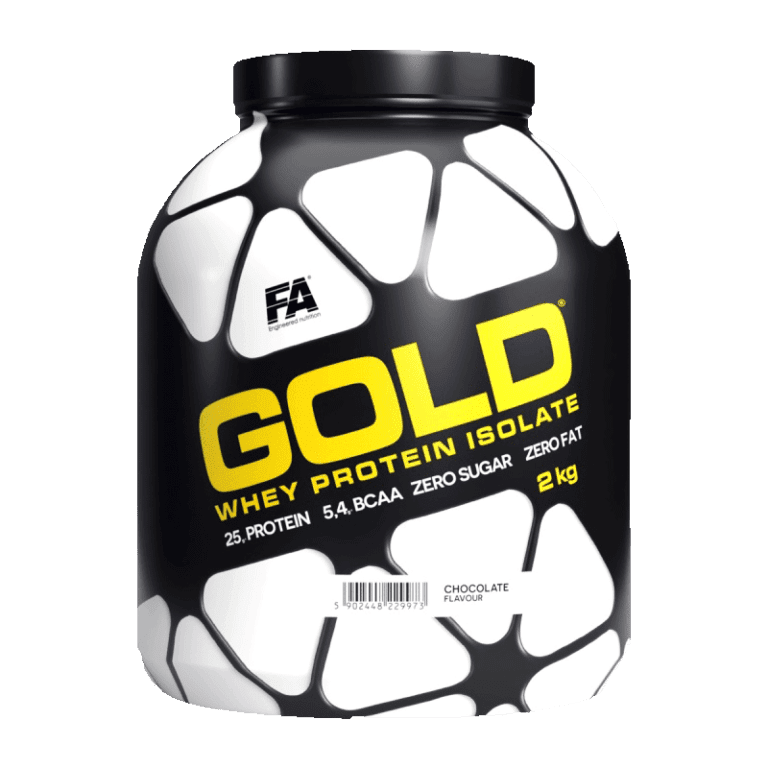
FA Gold Isolate 2 kg
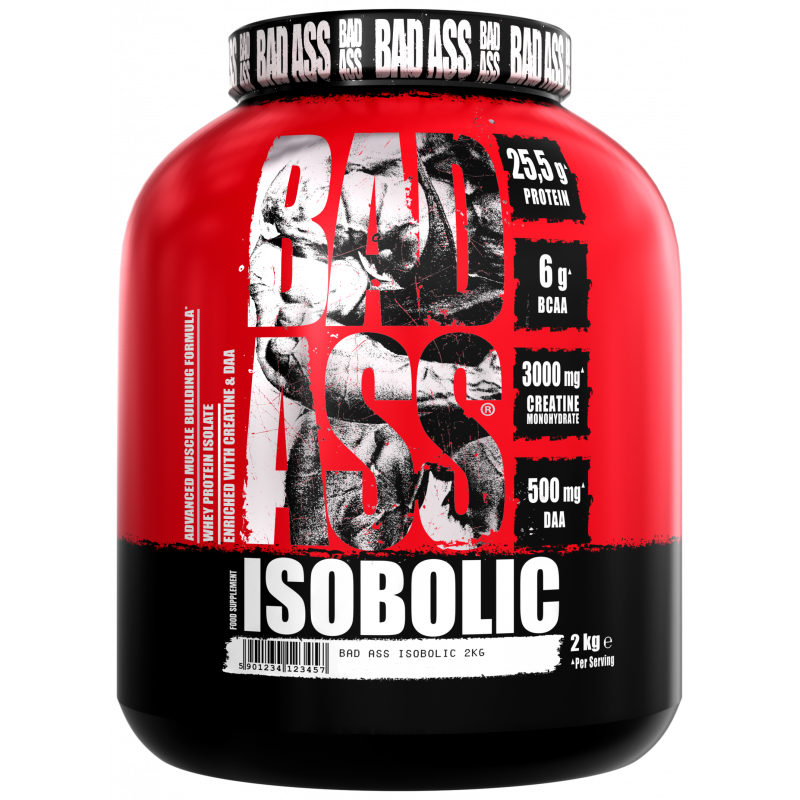
Bad Ass ISOBOLIC 2 kg

Bad Ass Zero Whey 2kg
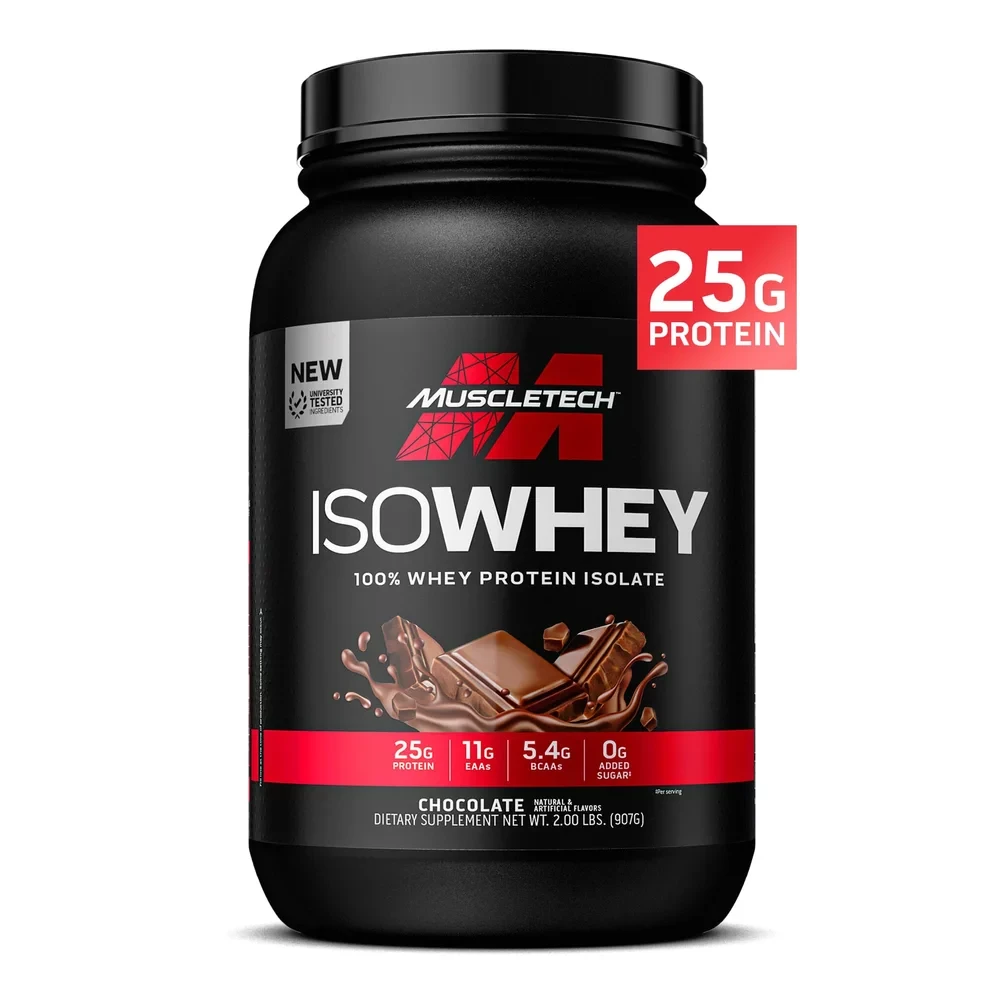
MUSCLETECH ISO Whey 1kg
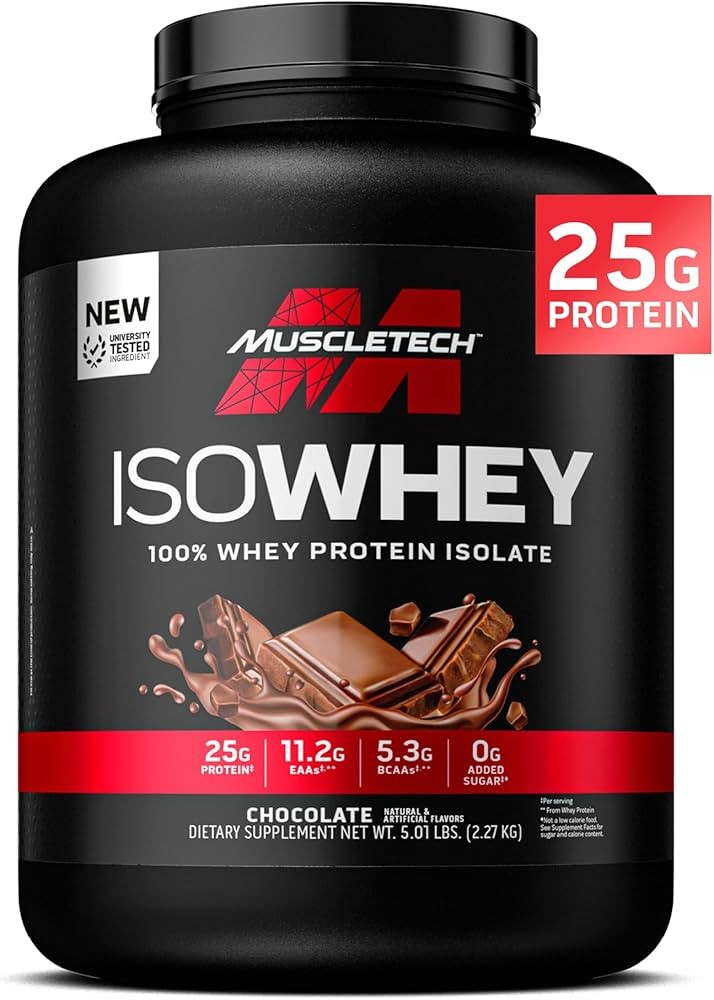
ISO Whey muscletech 2 kg

ISO 100 45 S
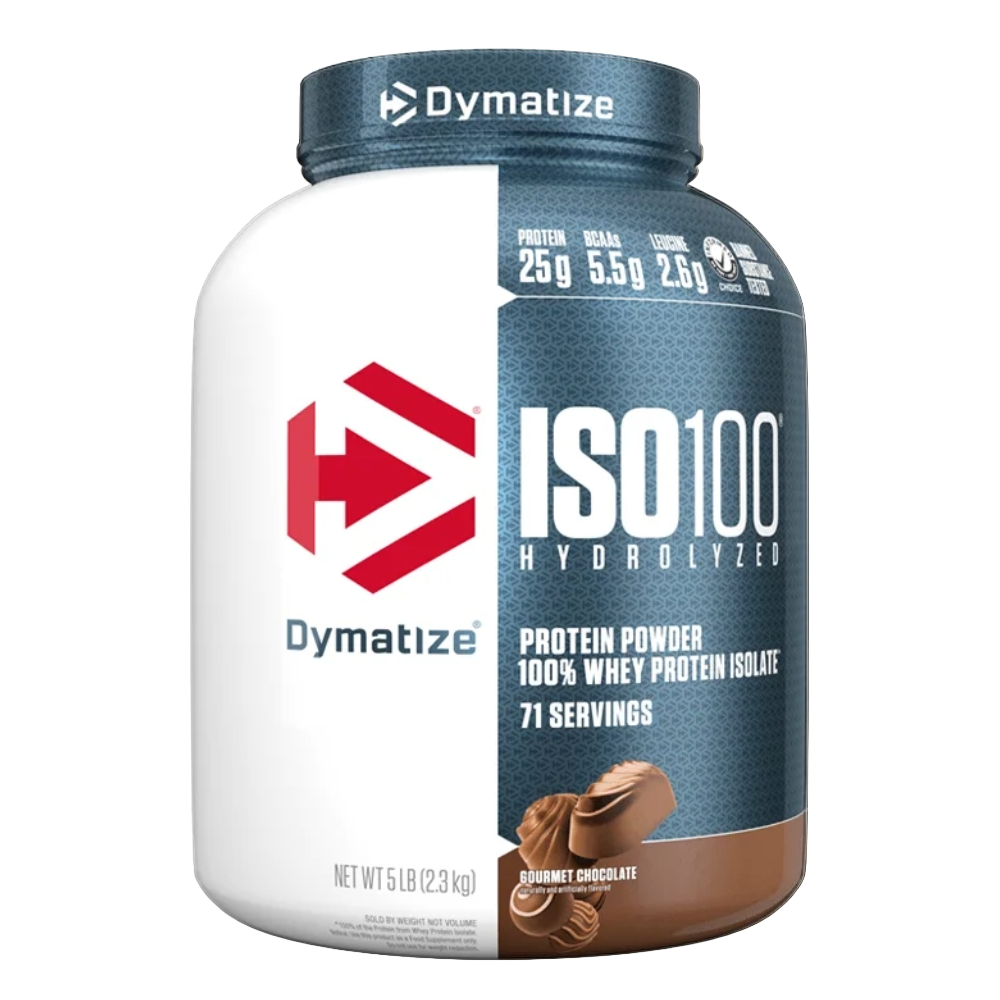
ISO 100 71 S gourmet chocolate
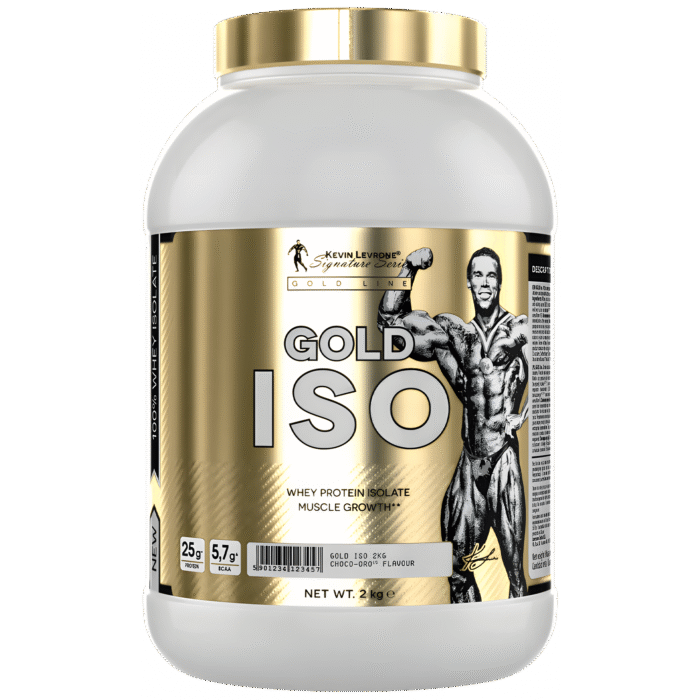
Kevin Levrone Gold ISO 2 kg
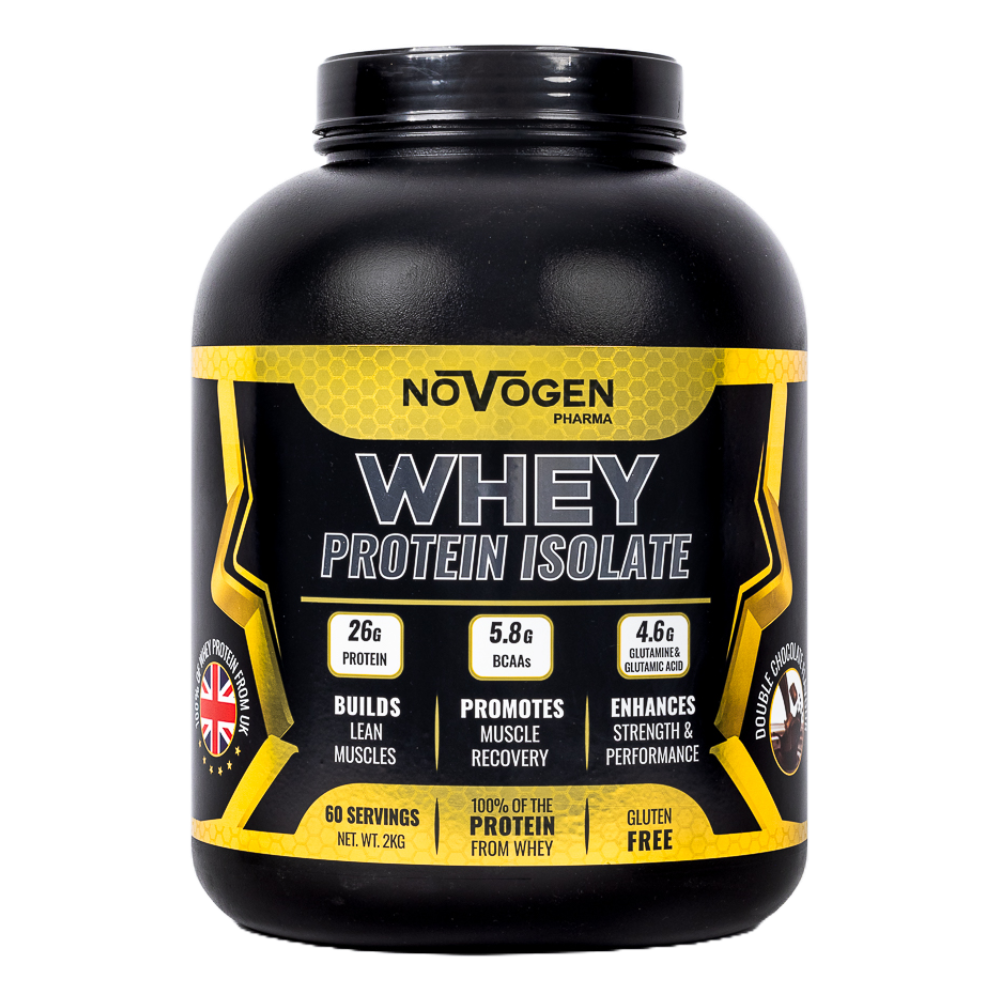
Novogen pharma, Whey protein Isolate, 2kg, 60 Serving



Contact Info
- Address: Center Roushdi, Alexandria, Egypt
- Phone: 01113669991
- Email: info@alexmuscle.com